2026 Best Lithium Vacuum Cleaner for Global Buyers
Choosing the 2026 Best Lithium Vacuum Cleaner for Global Buyers requires more than comparing suction numbers. A reliable Lithium Vacuum Cleaner must perform on carpets, tile, wood floors, and uneven thresholds. It should also offer stable battery life, safe charging, washable filtration, and accessible replacement parts. A bright showroom cannot reveal every weakness.
James Dyson, founder of Dyson and a long-standing vacuum-cleaner innovator, once said, “I just wanted to make something that worked better.” That simple idea remains useful for international buyers. Better performance means practical cleaning results, not impressive claims alone. A machine that removes fine dust from a sofa but overheats after ten minutes needs closer examination.
This guide evaluates battery capacity, motor efficiency, airflow, noise, dust-bin design, and filtration quality. It also considers voltage compatibility, charging standards, warranty coverage, and regional service support. These details matter when a buyer lives far from the original seller. A lightweight body may feel comfortable, yet an awkward wall mount can become frustrating every evening.
Real homes are imperfect. Pet hair gathers beneath chairs, crumbs hide beside kitchen cabinets, and fine sand reaches door tracks. Testing should reflect those conditions. No single model suits every household. Some recommendations may change when prices, local availability, or battery policies shift. That limitation deserves honesty.
Global buyers can use this introduction as a practical starting point. The strongest choice balances cleaning power, durability, safety, repairability, and total ownership cost. A lower price is not always economical. Neither is the most expensive model automatically the best.
What Is a Lithium Vacuum Cleaner?
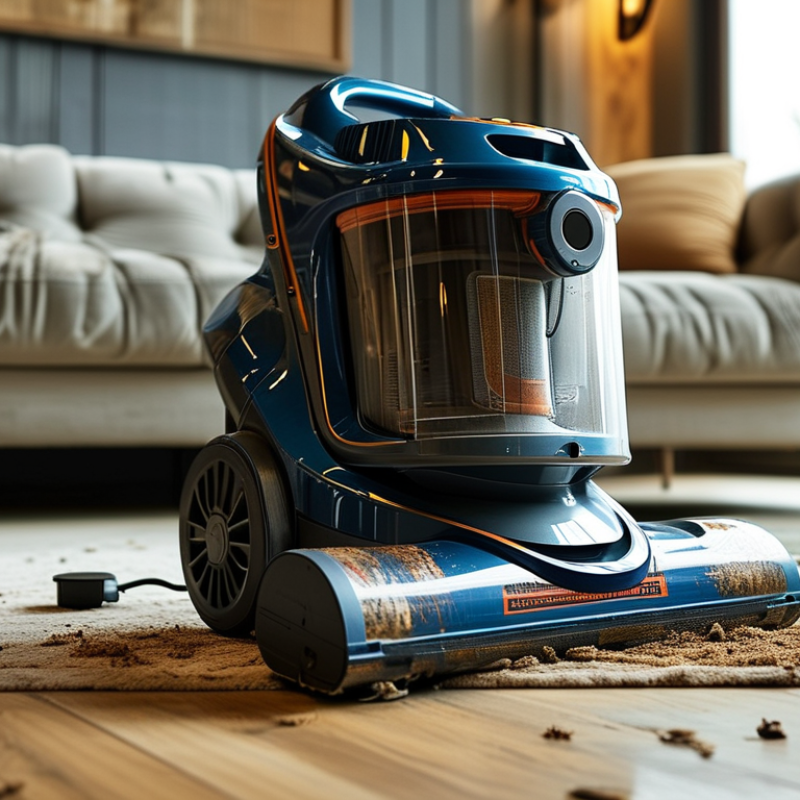
A lithium vacuum cleaner is a cordless vacuum powered by a rechargeable lithium-ion battery. The battery sends stored electrical energy to a motor, creating suction without a wall outlet. That simple difference changes daily cleaning. It can move from a tiled kitchen to stairs, car seats, and narrow shelves. Lithium does not mean unlimited power. Runtime depends on battery capacity, suction level, floor type, filter condition, and motor design. One unit may run 45 minutes on low power but only 10 minutes in turbo mode.
Lithium-ion cells are popular because they store substantial energy in a compact, relatively light pack. This helps reduce hand and shoulder fatigue during longer cleaning tasks. A practical check is the battery’s watt-hour rating, not voltage alone. Higher voltage may support stronger motor performance, but it does not guarantee longer runtime. Most battery packs include protection against overcharging, overheating, and excessive discharge. Still, charging heat deserves attention. Use the supplied charger, keep air vents clear, and avoid charging near water or direct sunlight.
For global buyers, battery replacement and charging compatibility matter as much as suction. Check the plug type, input voltage range, warranty terms, and service availability in your country. A sealed battery may make repairs difficult. A removable pack can be more convenient, but its contacts need careful handling. The term “lithium vacuum cleaner” is sometimes used loosely, and that can confuse shoppers. A careful buyer should inspect filtration, dust-bin size, noise, spare-part access, and tested runtime. Marketing figures can be optimistic. Real floors are rarely perfect.
How Lithium Battery Technology Powers Cordless Cleaning
2026 Best Lithium Vacuum Cleaner for Global Buyers
Lithium battery technology makes cordless cleaning lighter, faster, and more practical. High energy density delivers strong suction without a heavy battery pack. A well-designed battery management system controls charging, temperature, and discharge. This protection supports safer daily use and more consistent performance. In real homes, battery balance matters. A cleaner may run longer on hard floors than on thick carpets.
Tips: Choose a removable battery for easier replacement. Check the stated runtime at the highest power setting. Confirm charging compatibility for your country. A washable filter can reduce recurring maintenance costs. Store the battery in a cool, dry place. Avoid leaving it fully drained for long periods.
For global buyers, evaluate battery capacity, charge time, weight, and service support together. Lithium cells can lose capacity gradually, especially under heat and frequent high-power use. That limitation is easy to overlook. I prefer models with clear battery data and realistic runtime claims. Independent testing is useful, but home conditions still vary. Pet hair, fine dust, and uneven floors can change results quickly. A compact vacuum with moderate power may prove more useful than a heavier model with impressive specifications. One compromise remains: longer runtime often means added weight.
Key Features to Compare in 2026 Models
When comparing 2026 lithium vacuum cleaners, start with battery performance, not advertised wattage. The IEA’s Global Critical Minerals Outlook 2024 reported that electric-vehicle and storage battery demand reached about 750 GWh in 2023, rising roughly 40% year on year. This wider battery pressure makes cell quality and replacement access important. Check usable runtime in standard mode, charging time, battery warranty, and whether the pack is removable. A claimed 60-minute runtime may fall sharply with motorized brushes.
Suction figures need context. Airflow, sealed pressure, nozzle design, and floor type affect real cleaning results. Look for test methods based on IEC 60312-1, where available, rather than isolated laboratory numbers. A strong model should lift dust from tile gaps and collect fine particles from a rug without becoming tiring. Keep total weight under about 3 kilograms if possible. Your wrist notices the difference. Noise also matters in small apartments, but manufacturers may publish inconsistent measurements.
Filtration deserves close inspection. A sealed system with a washable pre-filter and a replaceable fine-particle filter is more practical for allergy-sensitive homes. Check filter costs and local availability before buying across borders. Battery safety should align with relevant IEC 60335 requirements, while chargers must match regional voltage and plug standards. I would not trust “smart” sensors automatically; they can improve convenience, yet they may add failure points. A repairable battery, clear airflow path, and accessible spare parts often matter more after two years. Industry forecasts can sound precise, but household cleaning habits remain unpredictable.
2026 Best Lithium Vacuum Cleaner for Global Buyers — Key Features to Compare in 2026 Models
Battery energy is calculated as nominal voltage × amp-hour capacity. These representative lithium-ion pack configurations are commonly specified across cordless vacuum cleaner categories. Higher watt-hours can support longer operation, but actual runtime also depends on suction power, motor efficiency, floor type, filtration, and operating mode.
When comparing 2026 models, buyers should also check replaceable-battery design, charging time, dustbin capacity, HEPA-level filtration, suction control, noise output, total weight, warranty coverage, and compatibility with local charging standards.
Best Lithium Vacuum Cleaner Types for Global Buyers
2026 Best Lithium Vacuum Cleaner for Global Buyers
The best lithium vacuum cleaner type depends on your floors, home size, and cleaning habits. Cordless stick vacuums suit apartments, offices, and daily dust removal. They are light, easy to store, and usually reach beneath furniture. A removable battery is valuable when one charge cannot cover the whole home. Check charging time carefully. Some batteries need several hours.
Handheld lithium vacuums work well for stairs, sofas, car seats, and kitchen crumbs. Their small dust containers fill quickly, but emptying them is simple. For larger homes, cordless upright models offer stronger floor contact and bigger bins. They may feel heavier on stairs. Canister designs provide flexible hoses and steady cleaning, yet storage becomes less convenient.
Global buyers should compare battery capacity, replacement access, filtration, and charger compatibility. A vacuum with a sealed fine-particle filter can help reduce airborne dust during cleaning. However, published runtime often reflects the lowest power setting. Real use may be shorter on thick rugs or pet hair. I recommend testing weight after ten minutes, not ten seconds. That small difference matters. Also, local repair support deserves attention. A cheaper model becomes frustrating when a battery or filter is unavailable. No type is perfect. Choose the design that matches your actual rooms, not the most impressive specification.
How to Choose and Maintain the Right Model Worldwide
Choosing the best lithium vacuum cleaner worldwide starts with your home, not a ranking list. I have found that battery size matters less than floor type, dust volume, and available service support. A model with 40 minutes of claimed runtime may deliver much less on carpet or maximum power. Test realistic cleaning needs.
Check whether the charger accepts your local voltage and plug system before buying. Many chargers support 100–240V, but never assume it. Confirm replacement battery, filter, brush, and warranty availability in your country. These details matter when a small part fails after shipping. Weight also deserves attention. A heavy cleaner becomes tiring on stairs.
Keep the battery away from extreme heat, moisture, and direct sunlight. Charge it with the supplied or approved charger. Clean the filter as instructed, and let washable parts dry completely before refitting them. Remove hair from the brush after each deep clean. Do not store the cleaner with a blocked airflow path. It can strain the motor and reduce runtime.
Maintenance is not difficult. It is easy to neglect. I once underestimated dust buildup around a filter frame, and suction weakened within weeks. My choice was probably too optimistic. Read the manual for storage temperature, charging limits, and battery replacement guidance. Local support and clear instructions often prove more valuable than extra power.
2026 Best Lithium Vacuum Cleaner for Global Buyers - How to Choose and Maintain the Right Model Worldwide
The figures below are practical typical ranges for current lithium-battery vacuum cleaner categories. Actual performance varies with floor type, suction mode, filter condition, battery age, and local test methods.
| Vacuum category | Best use | Typical battery | Typical runtime | Typical charge time | Typical weight | Dust capacity | Recommended buyer profile |
| Cordless stick | Daily cleaning of hard floors, rugs, stairs, and low-pile carpets | Lithium-ion, usually 18–29.6 V nominal | 20–60 minutes; usually shorter in turbo mode | 3–5 hours | 2–4 kg | 0.3–0.8 L | Most households wanting a versatile cordless cleaner |
| Cordless handheld | Furniture, vehicles, countertops, spills, and quick spot cleaning | Lithium-ion, usually 7.2–21.6 V nominal | 10–30 minutes | 2–5 hours | 0.7–2 kg | 0.1–0.5 L | Vehicle owners, small apartments, and occasional users |
| Cordless canister | Longer cleaning sessions and homes with varied floor surfaces | Lithium-ion, usually 18–36 V nominal | 30–90 minutes | 3–6 hours | 4–8 kg | 0.8–2.0 L | Larger homes prioritizing capacity and hose reach |
| Robot vacuum | Scheduled maintenance cleaning on unobstructed floors | Lithium-ion, commonly 14.4–21.6 V nominal | 60–180 minutes | 3–6 hours | 2.5–5 kg | 0.3–0.7 L onboard; larger capacity with a compatible dock | Users seeking automated daily upkeep rather than deep cleaning |
| Cordless wet-and-dry | Hard floors requiring simultaneous debris pickup and liquid cleaning | Lithium-ion, usually 18–36 V nominal | 20–45 minutes | 3–5 hours | 3.5–6 kg | Separate clean- and dirty-water tanks, commonly 0.5–1.0 L each | Homes with sealed hard flooring; not normally intended for carpet |
Global Buyer Selection Checklist
| Selection dimension | Practical target | Why it matters | Worldwide buying consideration |
| Battery design | Removable lithium-ion battery with available replacement support | A replaceable pack can extend product service life and reduce downtime | Confirm spare-battery availability, shipping restrictions, and local service coverage |
| Charger input | 100–240 V AC, 50/60 Hz input, if supported by the supplied charger | Universal-input chargers can work across many electrical systems | Check the charger label and plug type; a plug adapter may still be required |
| Filtration | Washable pre-filter plus a sealed fine-particle filter; HEPA-class filtration where specified | Clean filtration helps maintain airflow and reduces expelled fine dust | Look for a published test standard and replacement-filter availability rather than relying only on marketing terms |
| Floor compatibility | Selectable suction and a brush roll that can be switched off for delicate hard floors | Different surfaces need different agitation and suction levels | Check compatibility with rugs, thick carpets, stone, wood, and local flooring materials |
| Noise | Prefer a published measurement, commonly around 70–85 dB during operation | Noise can affect use in apartments, offices, and shared living spaces | Compare measurements made under the same mode and test conditions |
| Serviceability | Tool-free access to the dust bin, brush roll, filters, and battery | Routine access makes maintenance easier and helps preserve performance | Review regional warranty terms, repair locations, consumable costs, and delivery times |
| Safety and transport | Use certified charging equipment and follow lithium-battery transport requirements | Lithium batteries require protection from short circuits, heat, impact, and improper charging | Verify applicable conformity markings, customs rules, and carrier restrictions before international shipment |
Recommended Maintenance Schedule
| Maintenance task | Suggested frequency | Correct practice | Important caution |
| Empty the dust bin | After each use or before the fill line is reached | Switch off the unit and empty debris into a suitable waste container | Do not operate with a blocked inlet or overfilled bin |
| Clean the brush roll | Weekly; more often with long hair or pets | Remove wrapped hair and thread using the supplied tool or blunt scissors | Disconnect power or remove the battery before accessing moving parts |
| Wash washable filters | Every 2–4 weeks, according to dust load and instructions | Rinse with clean water only and allow to air-dry completely, typically for at least 24 hours | Never reinstall a damp filter or use heat to accelerate drying |
| Inspect airflow and seals | Monthly or whenever suction drops | Check the nozzle, tube, bin seal, filter seat, and air passages for blockages | Persistent overheating or unusual odor requires stopping use and seeking service |
| Care for the battery | During every charging cycle and seasonal storage | Use the approved charger, keep vents clear, and store in a cool, dry place | Avoid extreme heat, water exposure, crushing, puncturing, and unauthorized battery repair |
| Replace consumables | When damaged, permanently clogged, worn, or when performance remains poor after cleaning | Use compatible filters, brush rolls, seals, and batteries specified for the model | Do not substitute damaged lithium batteries or incompatible chargers |
Practical buying rule: Choose the lightest model that provides sufficient runtime, filtration, floor compatibility, repairability, and locally supportable replacement parts for your cleaning needs.
 Skip to content


 English
 Russian
  German
  Spanish
  French
  Portuguese