...

7 Best Router Bit Shapes for Woodworking?

Choosing the right router bit can change a rough board into a clean, purposeful piece of furniture. The cutter’s profile affects edge detail, joinery, panel shaping, and even how safely the router moves through wood. This guide explores seven practical Router Bit Shapes, from straight and round-over bits to chamfer, ogee, cove, rabbeting, and flush-trim designs.

Each shape leaves a distinct fingerprint. A round-over bit softens a sharp tabletop edge, while a rabbeting bit cuts a ledge for a cabinet back. A flush-trim bit follows a template, but only when the bearing and cutting depth are set correctly. Small choices matter. Wood species, grain direction, router speed, and feed rate all influence the final result. Pine may tear where maple cuts cleanly.

The recommendations reflect common workshop practice and manufacturer safety guidance. Experienced woodworkers still test every unfamiliar bit on scrap material. That habit prevents costly mistakes and reveals how a bit responds to a specific router and board. Measure twice. Cut once.

No single profile suits every project. Some decorative shapes look impressive but collect dust or feel uncomfortable in daily use. I have also found that a technically perfect cut can appear wrong when its scale does not match the furniture. That detail deserves more attention. The following seven Router Bit Shapes are judged by usefulness, control, finish quality, and versatility, helping woodworkers choose with greater confidence rather than relying on appearance alone.
7 Best Router Bit Shapes for Woodworking?

Router Bit Shapes: Purpose, Cutting Profiles, and Selection Criteria

7 Best Router Bit Shapes for Woodworking?

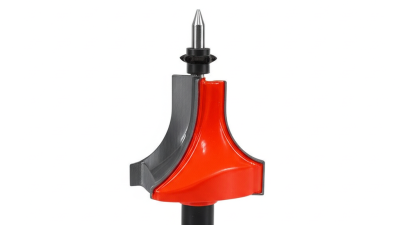
Router bit shapes determine both the cut and the finished character of a project. A straight bit removes grooves, dados, and waste quickly. A flush-trim bit follows a template with a bearing. Round-over bits soften sharp edges, while cove bits create inward curves. Chamfer bits cut clean bevels. Rabbeting bits form stepped edges for backs and joints. An ogee bit adds a decorative S-shaped profile.

Purpose should guide selection, not appearance alone. Choose the bit diameter according to the cut width and your router’s capacity. Smaller bits suit detail work, but they can feel fragile during heavy passes. Larger bits remove material efficiently and often produce smoother profiles. Check the cutting depth, bearing position, shank size, and material compatibility before mounting any bit. Sharp carbide edges matter more than an impressive profile.

In practice, I prefer several shallow passes over one aggressive cut. The router sounds calmer, and tear-out becomes easier to control. Feed direction also changes the result, especially around end grain. I once chose a decorative bit for a softwood edge and regretted it. The profile looked attractive, but crushed fibers weakened the detail. Test on scrap first. Always. Grain direction, feed speed, and workpiece support deserve equal attention. A shape that works beautifully on maple may look rough on pine. Router bit selection is partly measurement, partly observation, and sometimes a useful correction.

Straight, Rabbeting, and Flush-Trim Bits for Clean, Precise Cuts

7 Best Router Bit Shapes for Woodworking?

Straight, Rabbeting, and Flush-Trim Bits for Clean, Precise Cuts

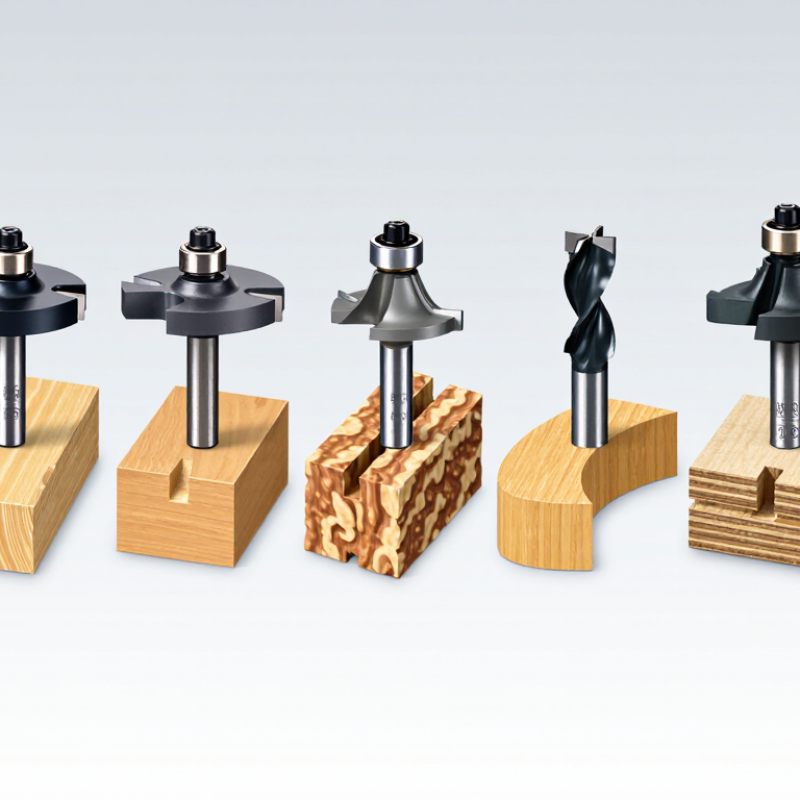
A straight bit is the dependable workhorse for grooves, dados, and edge trimming. I use shallow passes when cutting hardwood because forcing the bit can scorch the wall. A sharp cutter leaves a cleaner surface. It also reduces strain on the router and your hands.

Rabbeting bits remove material along an edge, creating a shoulder for backs, panels, or joinery. The bearing controls the cut, but the fence still needs careful adjustment. Flush-trim bits follow a template or existing edge, making them useful for duplicate parts and laminate work. Keep the template firmly attached. Even a small gap can transfer an ugly error.

Round-over and chamfer bits soften exposed edges with controlled profiles. Cove bits cut a concave detail, while ogee bits create a more decorative S-shaped profile. These shapes change how light moves across the wood. Test every profile on scrap first. I have skipped that step before, and the finished edge looked heavier than expected. Grain direction can also surprise you, especially near corners. Climb cutting may seem tempting for a cleaner spot repair, but it can pull the router quickly. Conventional passes are usually easier to control. Measure the bearing, bit height, and material thickness before routing, then inspect the edge under direct light.

7 Best Router Bit Shapes for Woodworking?

Common applications of straight, rabbeting, and flush-trim bits, along with other widely used router bit shapes. The values count standard woodworking operations typically performed with each shape.

How to read the chart: Straight bits are commonly used for grooves, dados, and mortises. Rabbeting bits cut stepped recesses, while flush-trim bits follow a template or existing edge. Round-over, chamfer, V-groove, and cove bits are mainly used for edge profiles and decorative details.

Roundover and Cove Bits for Softened Edges and Decorative Grooves

7 Best Router Bit Shapes for Woodworking?

Roundover and cove bits are two of the most useful shapes for softened edges and decorative grooves. A roundover bit removes a sharp corner and leaves a clean, comfortable curve. It works well on shelves, tabletops, cabinet doors, and children’s furniture. A cove bit cuts a concave channel, adding shadow and visual depth to frames, panels, and trim. The correct profile depends on the wood thickness, design scale, and desired hand feel.

Grand View Research’s 2024 woodworking machinery market analysis estimates steady global growth through 2030. That trend reflects wider demand for accurate, repeatable cutting. In practice, accuracy begins with setup. Use a sharp bit, secure the workpiece, and make several shallow passes. Never force the router. I have learned that even a small speed mistake can leave burn marks, especially in dense hardwood. The result may look acceptable, but touch often reveals the flaw.

Tips: Test each profile on scrap wood first. Mark the cutting depth clearly. Use a bearing when following an edge. Keep the router moving at a controlled pace. For a cove groove, check both sides before committing to the final board. Dust collection also matters. OSHA identifies wood dust as a workplace hazard, so eye protection, ventilation, and suitable respiratory protection should be part of the routine. A decorative groove is not worth careless preparation.

Chamfer and Roman Ogee Bits for Angled and Ornamental Profiles

Among the seven best router bit shapes for woodworking, chamfer and Roman ogee bits create especially useful profiles. A chamfer bit cuts a clean, angled edge. It can soften sharp corners, reduce splintering, and add a deliberate architectural line. I often use a small chamfer on cabinet shelves and table edges. The cut feels subtle, but it changes how light moves across the wood.

A Roman ogee bit produces a more ornamental profile, combining a concave sweep with a rounded shoulder. It suits furniture rails, picture frames, and visible tabletop edges. I make shallow passes and check the profile after each cut. Dense hardwood can burn when the feed rate becomes too slow. That happened to me once. The cutter was sharp, but my technique was not. A steady feed and secure workpiece usually produce cleaner results.

Test on scrap first. Always do this.

Bit height matters more than many beginners expect. A slight adjustment can shift the ogee’s proportions or make the chamfer appear uneven. I measure the bearing position, inspect the grain direction, and remove only a small amount of material per pass. A sharp bit, stable router, and dust collection improve control. Still, even experienced woodworkers should inspect the finished edge by touch and angled light. Small ridges often hide in plain sight.

7 Best Router Bit Shapes for Woodworking? - Chamfer and Roman Ogee Bits for Angled and Ornamental Profiles

No. Router Bit Shape Profile Produced Typical Cutting Angle or Radius Common Woodworking Uses Best Material Thickness Key Selection Consideration
1 Straight Bit Flat-bottomed groove, dado, or mortise 90° side walls Dados, grooves, mortises, hinge recesses, and general material removal Any thickness; choose a cutting length that matches the required depth Bit diameter determines groove width; make multiple shallow passes for deep cuts
2 Flush-Trim Bit Copies one edge or template to another Straight cutting edge Template routing, trimming laminate, edge matching, and duplicating curved parts Depends on bit cutting length and template position Top-bearing and bottom-bearing versions guide from different surfaces; bearing diameter affects access
3 Rabbeting Bit Shouldered step along an edge 90° shoulder Cabinet backs, picture frames, door stops, and glass or panel rebates Most common on stock approximately 12–25 mm thick Bearing size sets rabbet depth; different bearing diameters can produce different depths
4 Chamfer Bit Straight, angled bevel on an edge Commonly 15°, 22.5°, 30°, or 45° Easing sharp edges, decorative bevels, joinery details, and multi-sided projects Suitable for thin to thick stock; bevel width depends on bit size and setup A bearing helps maintain a consistent edge; a larger angle removes more material
5 Round-Over Bit Quarter-round convex edge Typical radii: 3 mm, 6 mm, 10 mm, or 13 mm Tabletop edges, shelves, handrails, toys, and comfortable furniture edges Stock should generally be at least as thick as the selected radius profile requires Select the radius according to comfort, appearance, and remaining flat area on the edge
6 Cove Bit Concave, quarter-round recess Typical radii: 3 mm to 13 mm Decorative grooves, door panels, trim, shelving details, and architectural moulding Best on stock thick enough to support the full cove depth Use a fence or bearing for repeatability; shallow passes reduce tear-out on figured wood
7 Roman Ogee Bit S-shaped ornamental edge with a convex and concave transition Radius-based; size varies by cutter design Furniture edges, cabinet doors, shelves, picture frames, and decorative moulding Usually used on medium-to-thick stock that can accommodate the complete profile Check the profile height and bearing position; use light passes to preserve the ornamental detail
Selection note: Actual cutting depth, profile size, shank diameter, and recommended speed depend on the specific cutter and router. Confirm the cutter manufacturer’s specifications, secure the workpiece, and make shallow test cuts before routing the finished piece.

Choosing the Right Bit Shape for Different Woodworking Projects

Choosing the Right Router Bit Shape for Different Woodworking Projects

Choosing the Right Router Bit Shape starts with the edge or joint you need. A straight bit cuts grooves, dados, and mortises with clean, practical lines. A rabbeting bit removes material along an edge for backs, panels, or simple casework. For trimming laminate or thin edging, a flush-trim bit follows an existing surface closely. I always test the cut on scrap wood first. Grain direction can change the result more than expected.

A round-over bit softens sharp furniture edges and feels comfortable in the hand. Small radii suit shelves, trays, and children’s furniture. A chamfer bit creates a crisp angled edge on boxes, tabletops, and decorative frames. Cove bits form concave details, often under shelves or along cabinet faces. An ogee bit adds a more formal profile, but it can make a small project look overly busy. Less is sometimes better.

The router speed, feed rate, and wood species also affect the profile. Dense timber may burn if the bit moves too slowly. Softwood can tear when the cut follows changing grain. I once chose an ornate profile for a narrow frame, and the detail nearly disappeared after sanding. That mistake changed my approach. Match the bit to the project’s scale, make shallow passes, and inspect the profile under actual lighting. Always secure the workpiece and unplug the router before changing bits.

en_USEnglish

PCD Inserts

PCBN Inserts

Solid CBN Inserts

PCD Milling Cutter

PCD Drilling Tools

PCD Reamer

Diamond Special Tool

Diamond Dressers