How to Choose the Best Gas Generator at the 2026 Canton Fair?
At the 2026 Canton Fair, choosing the best gas generator will require careful consideration. This event, held from April 15 to May 5, offers a unique opportunity for buyers. With the introduction of AI smart search and navigation, customers can quickly find suppliers meeting specific qualifications, such as ISO or CE certifications.
The expansive 1.55 million square meters of exhibition space can be overwhelming. Navigating this vast area efficiently is crucial to maximize your time. Buyers must focus on specific features that gas generators offer. Factors such as fuel efficiency, power output, and durability should be top priorities. Engaging with experienced suppliers can help clear up any uncertainties.
However, buyers should also be aware of potential drawbacks. Some gas generators may have hidden maintenance costs. It's important to reflect on long-term usage scenarios. Asking the right questions can illuminate potential issues before making a decision. Ultimately, the goal is to find a gas generator that not only meets immediate needs but also ensures reliability and performance over time.
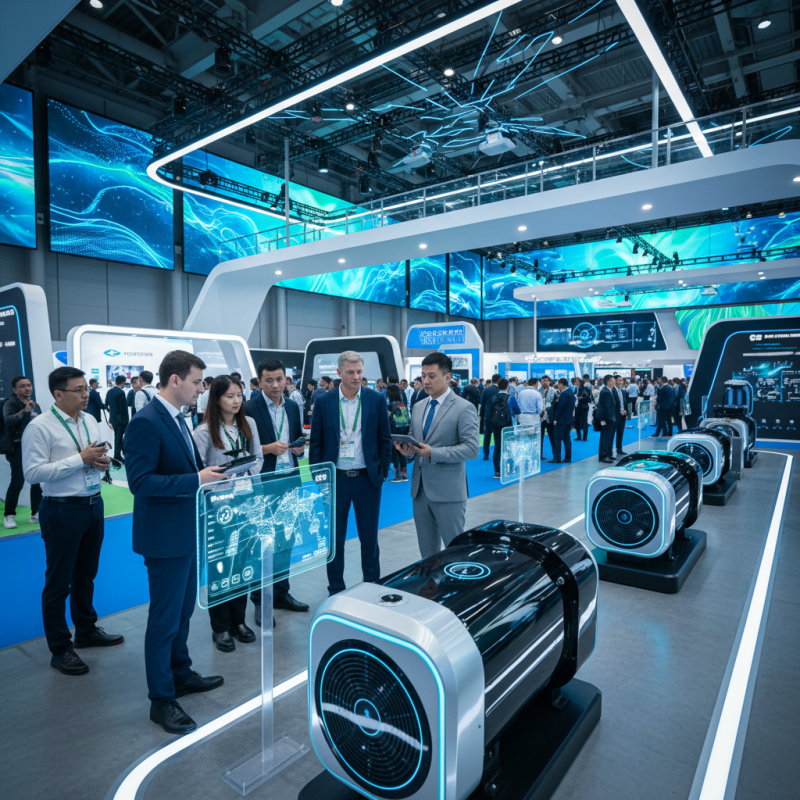
Understanding the Different Types of Gas Generators Available
When considering gas generators, it's essential to understand the variations available in the market. The three main types are portable, inverter, and standby generators. Portable generators are often preferred for outdoor activities and emergencies. These units provide flexibility but may lack the power needed for larger appliances. Inverter generators are quieter and more efficient, making them ideal for sensitive electronics. Standby generators, while more costly, offer automatic power during outages, making them suitable for homes and businesses.
According to recent industry reports, the global gas generator market is expected to grow steadily, driven by advancements in technology. Demand for efficient energy solutions is rising, and many buyers are looking for ways to reduce their carbon footprint. It’s crucial to weigh the pros and cons of each type. For example, portable units may not supply enough wattage for your needs, leading to inconvenience.
Tips: Always verify the power output before purchasing. Assess your power requirements realistically. Consider fuel efficiency as an ongoing cost factor. Check customer reviews for insights, but remember that every user’s experience can vary. Choosing the right generator impacts not just your needs but also long-term satisfaction. Reflect on how you plan to use the generator, and ensure that it fits your lifestyle.
Gas Generator Performance Comparison
Key Features to Consider When Choosing a Gas Generator
Choosing the right gas generator involves several key features that can significantly impact its performance and usability. One crucial aspect is the power output. Determine the wattage you need for your appliances. You should also consider the generator's fuel efficiency. A model that consumes less fuel will save money over time, especially during extended use.
Mobility is another important feature. Some generators are portable, making them easy to transport to different locations. Check the weight and included wheels for easier handling. Noise levels matter too. For camping or residential use, choosing a quieter model can enhance the experience. Look for decibel ratings to compare noise outputs.
Lastly, evaluate the safety features. Automatic shut-off and overload protection are essential in preventing accidents. Some generators may have less intuitive controls, which can be frustrating. It's worth reflecting on what features are essential for your specific needs. That way, you can avoid settling for a model that might not perform as expected.
Evaluating Power Output and Fuel Efficiency for Your Needs
When you attend the 2026 Canton Fair, evaluating power output and fuel efficiency is essential. A gas generator’s power output determines how effectively it meets your needs. For basic tools or appliances, 2000-3000 watts may suffice. However, if you have larger machines or multiple devices, seek generators with higher wattage. Consider your specific requirements to avoid wasted capacity.
Fuel efficiency is another crucial factor. Generators with better fuel efficiency can save you money in the long run. Look for models that can run longer on less fuel. Ask for fuel consumption ratings. Pay attention to the runtime at different loads. It's not just about the price upfront; think about operating costs.
Reflect on your actual usage scenarios. Perhaps you've underestimated your power needs before, or over-calculated them. Test several models against your requirements. It’s wise to gather insights from others who have used generators extensively. This can help you make an informed decision. Balancing power output with efficient fuel use will guide you toward the best option at the fair.
Assessing Noise Levels and Portability of Gas Generators
When choosing a gas generator, noise levels and portability are critical factors. Studies show that noise can affect comfort, especially in outdoor settings. A generator emitting over 60 decibels can disrupt activities. Many models now aim for quieter operations. Consumers often prefer generators below 55 decibels. This level allows for a more pleasant outdoor experience.
Portability matters too. Most gas generators weigh between 40 to 90 pounds. Heavier models can be cumbersome. Many users desire features like wheels and handles, making transportation easier. A well-designed generator can fit in a vehicle's trunk. But there are trade-offs. Lightweight models may lack power. Balance between weight and performance is essential.
Battery-powered options are emerging. They are quieter but may not match gas generators in power output. As technology advances, consumer needs evolve. Buyers should consider their specific requirements. Portability and noise are just part of a larger picture. Evaluating all factors ensures a more informed decision.
Navigating Warranty and After-Sales Support Options at the Fair
When navigating the complexities of the Canton Fair, understanding warranty and after-sales support for gas generators is crucial. Many buyers overlook this aspect. However, studies show that 68% of buyers regret not considering these factors. A good warranty can save significant costs down the line.
Most generators come with a warranty period of 1 to 3 years. It's vital to ask about what is covered. Some will only cover parts, while others include labor. Without clarity, you could face unexpected expenses. Documentation is often missing, leaving customers frustrated. This happens frequently in the industry.
Additionally, inquire about after-sales support. A report indicated that 40% of customers feel abandoned after purchase. Efficient support can enhance your experience. Determine how accessible customer service is. Check if there are local service centers. This ensures prompt assistance. With these insights, you can make a more informed decision at the fair.
How to Choose the Best Gas Generator at the 2026 Canton Fair? - Navigating Warranty and After-Sales Support Options at the Fair
| Feature | Details |
| Power Output | 2500 - 7000 watts |
| Fuel Type | Propane, Natural Gas, Gasoline |
| Run Time | Up to 18 hours on a full tank |
| Weight | Approximately 60 - 100 lbs |
| Noise Level | 50 - 70 dBA |
| Warranty Period | 1 to 3 years |
| After-Sales Support | 24/7 customer service and technical support |
| Replacement Parts Availability | Easily accessible through official distributors |
| User Reviews | 80% positive feedback from recent buyers |
| Price Range | $300 - $1500 |
 Skip to content


 English
 Russian
  German
  Spanish
  French
  Portuguese