How to Choose the Best Solar Panels Supplier for Your Needs?
Choosing the right solar panels supplier can significantly impact your solar energy experience. Many factors influence this decision, from quality to price. With the growing market, options abound but can be overwhelming.
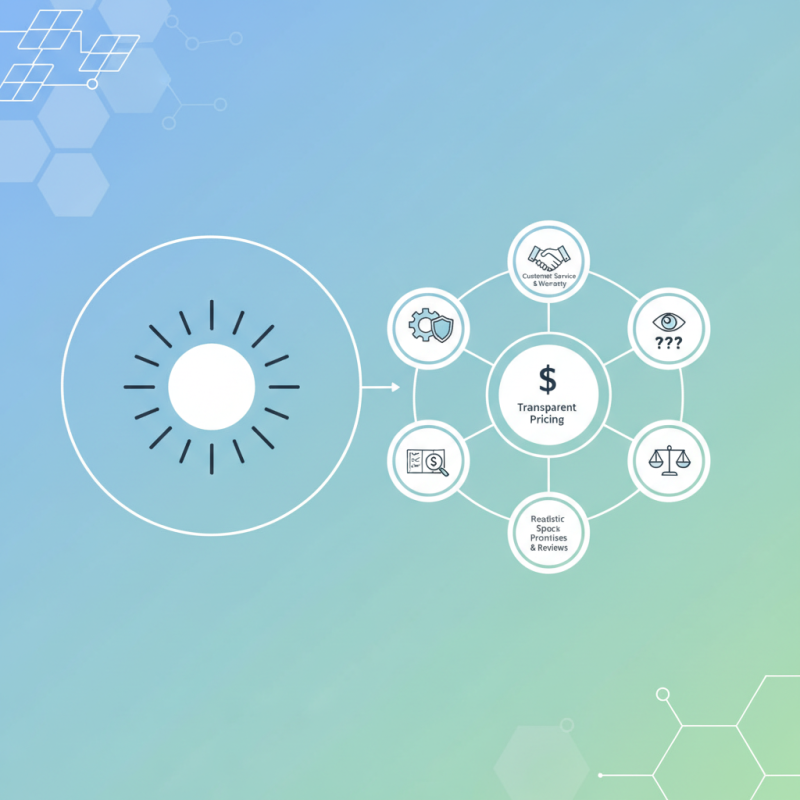
A reputable solar panels supplier should offer high-efficiency products and excellent customer service. Look for suppliers with strong warranties and transparent pricing. Trustworthy suppliers often provide detailed product specifications and installation guidance.
Be cautious of suppliers who make unrealistic promises. Researching user reviews and industry ratings can help you assess their credibility. Remember, a supplier that suits one person's needs may not meet yours. Take your time and reflect on what’s essential for your situation.
Understanding Your Solar Power Needs and Goals
Understanding your solar power needs is crucial for selecting the right solar panel supplier. Begin by assessing your current energy consumption. For instance, the U.S. Energy Information Administration reported that the average household uses about 877 kWh per month. This number helps in determining the wattage you need from your solar panel system.
Consider your goals, too. Are you aiming for energy independence or reducing your carbon footprint? Data from the National Renewable Energy Laboratory indicates that a typical residential solar system can offset about 80% of annual consumption. However, it may require a significant initial investment. Not everyone might be prepared for this upfront cost, leading to frustration.
Think about your geographic location as well. Solar panels perform best in sunny climates. However, in areas with frequent cloud cover, your energy production may fall short of expectations. This reality can be disheartening for some. Make informed decisions based on regional data to ensure your investment meets your specific needs. Understanding these nuances can lead to more sustainable and satisfying solar energy solutions.
Researching Different Types of Solar Panels Available
When researching different types of solar panels, it's essential to know the key characteristics that influence efficiency and durability. Most solar panels fall into three categories: monocrystalline, polycrystalline, and thin-film. Monocrystalline panels are known for their high efficiency, often exceeding 20% in optimal conditions, making them suitable for limited space. However, they can be pricier upfront, and some may question the return on investment.
On the other hand, polycrystalline panels offer a lower efficiency, typically around 15-18%. These are more budget-friendly and suitable for larger installations where space isn't a constraint. Thin-film panels tend to be the least efficient, often below 15%, but they can be advantageous in specific situations, like on uneven surfaces due to their flexibility. Industry reports indicate a growing trend towards bifacial panels, which capture sunlight from both sides, enhancing overall efficiency by up to 30%.
While it is tempting to focus solely on efficiency ratings, other factors deserve attention. For instance, climate plays a critical role in determining which solar panel type will perform best in different geographical locations. It's also vital to consider warranties and the expected lifespan of the panels, as prices fluctuate in a competitive market. Reflection on these aspects can lead to better-informed decisions tailored to individual needs.
Evaluating Supplier Credentials and Experience
Choosing the right solar panels supplier is crucial for your project. Evaluating supplier credentials and experience can make a significant difference. First, check their certifications. A reputable supplier should have industry-recognized credentials. This shows they adhere to quality standards.
Additionally, consider their experience in the solar sector. Suppliers with a longer history often understand market trends better. They can offer insights that a newer company might miss. Do not overlook customer reviews. Real experiences provide valuable feedback about supplier reliability.
Tips: Look for suppliers that provide case studies of their past projects. Testimonials and specific project successes can indicate a supplier's capability. Keep an eye on their warranty offers. A solid warranty often reflects the supplier's confidence in their products.
Communicate directly with potential suppliers. Ask about their installation processes and support services. Gauge their responsiveness. If they take too long to answer questions, consider that a red flag. Your time and investment are important. Finding the right supplier can feel daunting, but taking these steps helps clarify your options.
Comparing Pricing, Warranties, and Service Options
When choosing a solar panel supplier, pricing is crucial. Many companies offer varied pricing models. It's essential to get multiple quotes. This will help identify fair market prices. Be wary of prices that seem too low; they might reflect poor quality.
Warranties are another vital consideration. A good supplier should offer a solid warranty. Look for warranties that last at least 25 years. This shows confidence in their product. Some companies may provide shorter warranties, which raises concerns. Always read the fine print on warranties.
Service options matter just as much. Evaluate the after-sales service each supplier provides. A responsive customer service team is invaluable. Check online reviews to gauge their reliability. While everything may seem promising at first, frustrations often arise during installation or maintenance. Seek suppliers with a proven track record for support. Don't overlook this aspect, as it can make or break your experience.
Reading Customer Reviews and Testimonials for Insight
When looking for the right solar panel supplier, customer reviews matter. These insights can reveal the real experiences of past buyers. Start by checking forums and review sites. Look for comments on product quality and customer service. Watch out for repeated issues. That can save you from future headaches.
One tip is to focus on detailed reviews. Generic praises or complaints may not help you much. Specific feedback about installation or efficiency is more valuable. Pay attention to how suppliers respond to negative reviews. Their responses can indicate their commitment to customer satisfaction.
Consider the overall rating, but don't ignore low-star reviews. They often highlight potential problems. A few complaints might lead to reflection. For example, a supplier’s delays might concern you. Do they communicate effectively? Such questions should guide your decision. Balancing positive and negative feedback is key.
Customer Reviews on Solar Panels Suppliers
 Skip to content

 English
 Russian
  German
  Spanish
  French
  Portuguese