Why Are Deep Hole Drilling Tools Essential for Your Projects?
Deep Hole Drilling Tools play a crucial role in various industries, including aerospace, automotive, and oil and gas. Their advanced design allows for precise drilling in tough materials. According to a recent report by the Global Market Insights, the deep hole drilling tools market is projected to grow at a CAGR of 4.5% through 2027. This significant growth reflects the rising demand for accuracy and efficiency in manufacturing processes.
Expert John Thompson, a recognized authority in drilling technology, emphasizes their importance: "Deep Hole Drilling Tools are essential for achieving superior hole quality and dimensional accuracy." Projects that demand such precision often experience challenges. Erroneous drilling can lead to costly rework and extended project timelines, highlighting the need for reliable tools.
Despite their advantages, not all deep hole drilling methods are without risks. Improper tool selection can result in tool wear or even breakage during operations. Therefore, understanding the specific requirements of a project is vital. Adopting the right tools can make a transformative difference in overall production efficiency.
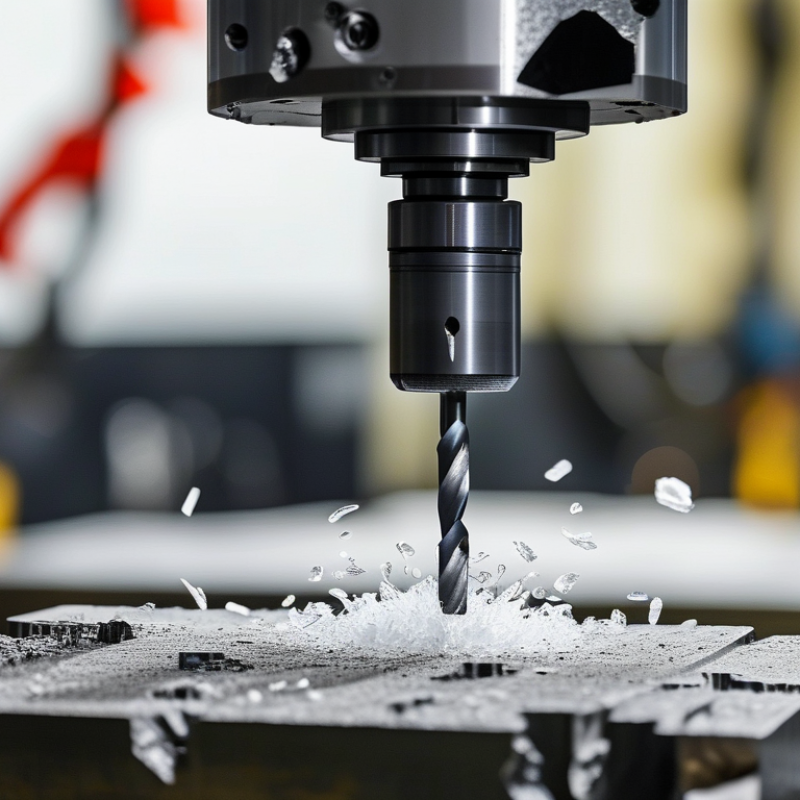
Understanding Deep Hole Drilling: An Overview of Its Importance
Deep hole drilling is a crucial part of many engineering and manufacturing projects. This process allows for the creation of precise, deep holes needed for various applications, from oil exploration to aerospace components. Understanding the techniques and tools involved enhances project efficiency and outcomes.
Drilling deep holes requires specialized tools and expertise. These tools are designed to handle high pressure and temperature, ensuring accuracy and durability. A well-executed deep hole can lead to better product performance, particularly in high-stress environments.
One important consideration is maintenance. Regular checks and services on your drilling tools can prevent costly downtime. Using the right cooling fluids is essential for preserving tool life. Understanding the material being worked on helps in selecting the appropriate drilling parameters, which can lead to more successful results.
Safety is also paramount. Deep hole drilling involves significant risks, especially in high-speed setups. Ensuring that operators are trained and knowledgeable about what they’re doing can minimize accidents. Investing time in learning and refining techniques is worthwhile.
Key Applications of Deep Hole Drilling Tools in Various Industries
Deep hole drilling tools play a crucial role across various industries, including aerospace, automotive, and energy. These tools enable the creation of deep, precise bores that are essential for components like engine cylinders and hydraulic systems. According to a report by MarketsandMarkets, the global deep hole drilling market is projected to reach USD 2.6 billion by 2026, reflecting a growing demand in high-precision applications.
In aerospace, deep hole drilling is vital for producing lightweight airframe structures and fuel systems. The high accuracy required for these parts ensures they meet stringent safety and performance standards. In the automotive sector, manufacturers increasingly rely on deep hole drilling for fuel injection systems and other critical components, which often demand intricate designs and tight tolerances. Data from Statista shows that around 23% of automotive production utilizes deep hole techniques, affirming their importance in modern manufacturing.
However, challenges remain in deep hole drilling. Tool wear and maintenance issues can affect precision and result in higher production costs. Research indicates that adopting advanced materials and coatings can mitigate these problems. Improved drilling methods may also enhance efficiency, but ongoing innovation is necessary to address persistent industry hurdles.
Key Applications of Deep Hole Drilling Tools in Various Industries
Components and Technology Behind Deep Hole Drilling Tools
Deep hole drilling tools are vital for a variety of engineering projects. Their design focuses on precision and efficiency, which are crucial in sectors like aerospace and automotive manufacturing. The technology behind these tools integrates advanced materials and coatings. These components enhance durability, reduce friction, and improve the overall performance of the drilling process.
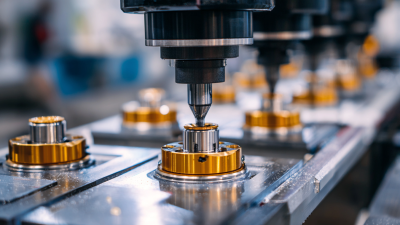
The structure of deep hole drilling tools varies depending on their specific application. Common components include drill bits, support systems, and coolant systems. Drill bits designed for deep hole drilling are usually longer and more slender. They allow for improved performance at great depths. Coolant systems are equally important as they help to manage heat. This maintains the integrity of the workpiece and the tool itself.
However, this technology is not without its challenges. Creating a tool that can withstand high pressure and temperature is complex. Issues such as tool wear can affect the quality of the hole. Operators must constantly assess their equipment to mitigate these problems. Continuous learning and adaptation are essential in this field, ensuring improved results over time.
Why Are Deep Hole Drilling Tools Essential for Your Projects? - Components and Technology Behind Deep Hole Drilling Tools
| Component |
Material |
Function |
Technology Used |
| Drill Bit |
High-Speed Steel (HSS) |
Material Removal |
CNC Machining |
| Coolant System |
Aluminum Alloy |
Temperature Control |
Fluid Dynamics Simulation |
| Guide Pads |
Polymer Composite |
Stability |
Finite Element Analysis |
| Drilling Rods |
Tool Steel |
Transmission of Torque |
Advanced Casting Techniques |
| Chucks |
High-Strength Steel |
Secure Tool Attachment |
Precision Machining |
Advantages of Using Deep Hole Drilling Tools in Project Efficiency
Deep hole drilling tools play a crucial role in enhancing project efficiency across various industries. Their unique design allows for precise drilling in challenging conditions. This precision reduces errors and minimizes waste, critical factors in maintaining project timelines. Using these tools fosters smoother workflows, allowing teams to focus on other vital tasks.
One advantage of deep hole drilling tools is their ability to achieve deeper penetrations without compromising on quality. This capability is invaluable in sectors like aerospace and automotive, where specifications are stringent. Such accuracy often translates to lower production costs, which is a significant gain for any business. However, the initial investment in these tools can be challenging for some companies to justify. Assessing long-term benefits versus immediate costs can lead to insightful discussions about resource allocation and project planning.
Additionally, the use of deep hole drilling tools enhances the longevity of projects. They require less maintenance and downtime, ensuring that teams remain on schedule. While these tools can seem daunting at first, with proper training and understanding, they can greatly improve efficiency. A common pitfall is underestimating the learning curve associated with using advanced drilling techniques. Practicing and refining skills can lead to substantial improvements over time.
Selecting the Right Deep Hole Drilling Tool for Your Specific Needs
Selecting the right deep hole drilling tool is critical for project success. These tools differ in design and material, impacting efficiency and output. According to the International Journal of Advanced Manufacturing Technology, improper tool selection can lead to a 30% decrease in productivity. That underscores the importance of matching tools to specific project requirements.
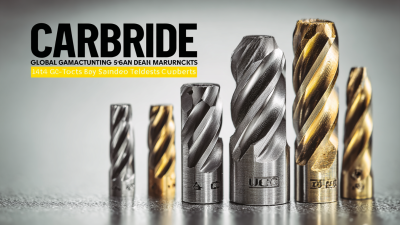
When choosing a tool, consider material type and hole diameter. Small-diameter holes may require a different approach compared to larger ones. Research indicates that high-speed steel tools are effective for softer materials, while carbide tools are better for hardened substances. Misjudging these details can lead to excessive wear and costly downtime.
Additionally, the intended depth and hole finishing must be accounted for. A study by the Society for Manufacturing Engineers highlights that inadequate finishing can affect the final product’s quality. Evaluating your project’s specific needs may reveal that investing in advanced tooling solutions is worthwhile. Engaging with professionals in the field could provide valuable insights that enhance decision-making, ensuring tools meet both operational and performance standards.
 Skip to content


 English
 Russian
  German
  Spanish
  French
  Portuguese