2026 How to Choose the Best Galvanized Steel Wire for You?
When selecting the right Galvanized Steel Wire, several factors come into play. The market for galvanized steel wire is projected to reach $10 billion by 2025, indicating robust demand. Galvanized steel wire is renowned for its corrosion resistance, crucial for outdoor applications. According to a report from Grand View Research, the increasing need for durable materials in construction has heightened interest in galvanized steel wire.
Understanding the specifications is vital. Wire diameter, tensile strength, and coating thickness can significantly affect performance. For instance, a thicker coating can enhance durability but may increase costs. Many users overlook these specifications, leading to suboptimal choices. The right galvanized steel wire should balance cost and performance for your specific needs.
While galvanized steel wire offers many advantages, it is essential to recognize potential limitations. Users might experience issues with flexibility or weight based on wire size. These factors can impact handling and installation. Therefore, carefully evaluating your project requirements and the wire's characteristics is crucial for achieving the best results.
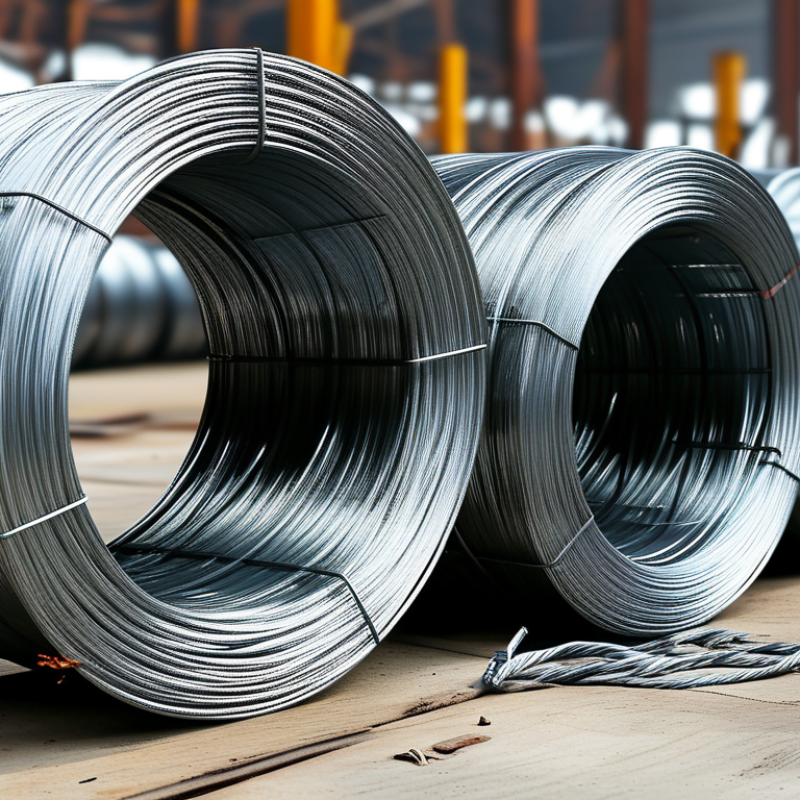
Understanding Galvanized Steel Wire: Definition and Uses
Understanding Galvanized Steel Wire: Definition and Uses
Galvanized steel wire is a versatile material widely used across various industries. It is made by coating steel with a layer of zinc. This process provides excellent protection against rust and corrosion. Due to these qualities, galvanized steel wire is ideal for outdoor applications. Garden fences, wire mesh, and reinforcement in construction often utilize this material.
When choosing galvanized steel wire, several factors come into play. Consider the thickness of the wire, as it directly impacts strength and durability. A thicker wire offers more support. Also, observe the wire's coating. A complete and even layer of zinc ensures better protection. Look for signs of inconsistencies; they might indicate poor quality.
Tips: Always evaluate the environment where the wire will be used. Climates with high humidity may require extra protection. Consult with industry experts if unsure about specific uses. Regular maintenance checks can help prevent long-term issues. Make your choice thoughtfully, as the wrong selection can lead to unnecessary costs down the line.
Key Factors to Consider When Choosing Galvanized Steel Wire
Choosing the right galvanized steel wire is essential for any project. Understanding key factors can make the selection process smoother. Gauge, or thickness, significantly influences wire strength. A thicker wire typically offers increased durability, making it suitable for heavier loads. Consider the environment where the wire will be used. Different conditions like humidity, temperature, and exposure to chemicals can affect performance.
When evaluating galvanized steel wire, inspect the type of galvanization process used. Hot-dipped galvanization offers superior corrosion resistance compared to electro-galvanized options. This makes it ideal in outdoor applications or areas with moisture. Also, consider the wire's tensile strength. Higher tensile strength indicates better resistance to breaking under stress.
Ultimately, reflect on the specific needs of your project. Are you using the wire for fencing, construction, or crafts? Tailor your choice based on those requirements. Selecting the right galvanized steel wire requires careful consideration. Each decision can impact the effectiveness of your work. Make sure to weigh all factors before making a choice.
2026 How to Choose the Best Galvanized Steel Wire for You? - Key Factors to Consider When Choosing Galvanized Steel Wire
| Factor | Description | Importance (1-5) |
| Wire Diameter | Choose a diameter that suits your project's load requirements. | 5 |
| Coating Thickness | Thicker coatings offer better corrosion resistance. | 4 |
| Tensile Strength | Select wire with an appropriate tensile strength for your application. | 5 |
| Applications | Identify the specific use-case such as fencing, construction, or crafts. | 3 |
| Flexibility | Consider flexibility for installation ease while maintaining strength. | 4 |
| Rust Resistance | Evaluate the level of rust resistance based on environmental conditions. | 5 |
Types of Galvanized Steel Wire and Their Characteristics
When choosing galvanized steel wire, understanding its types is crucial. There are several types available, each with distinct characteristics. The most common types include electro-galvanized and hot-dipped galvanized wires. Electro-galvanized wire offers a thinner zinc coating and is suitable for indoor use. It typically has a lower corrosion resistance. In contrast, hot-dipped galvanized wire features a thicker zinc layer, ideal for outdoor environments. The American Society for Testing and Materials (ASTM) reported that hot-dipped galvanized wire can withstand harsher conditions, making it a superior choice for many applications.
Identifying the right wire for your needs involves evaluating specific characteristics. For instance, wire thickness and tensile strength play significant roles in its performance. Thicker wires often provide better strength, but may sacrifice flexibility. According to a study by the Wire Association International, wire tensile strength can vary by up to 25% depending on the manufacturing process used. Therefore, it’s essential to assess how these factors align with your intended use, whether it's construction, fencing, or crafts.
Opting for the wrong type can lead to issues down the line. For example, using electro-galvanized wire in moist environments might result in premature failure. It’s essential to reflect on the specific conditions your galvanized wire will face. This consideration will influence your choice and ensure better longevity and performance in your projects.
How to Determine the Right Gauge and Strength Needed
When selecting galvanized steel wire, understanding gauge and strength is essential. The wire gauge indicates its thickness. A lower gauge number signifies a thicker wire, while a higher number indicates a thinner one. For example, 12 gauge wire is thicker than 18 gauge. Choose the gauge based on your project needs. Heavier tasks may require thicker wire for durability, while lighter tasks can use thinner wire.
One important tip: consider the strength requirements of your application. Strength depends on the material used and the wire's coating. Galvanization provides added protection against rust. However, not all galvanized wires offer the same strength. It helps to look at tensile strength ratings. Make sure the wire can withstand the forces it'll encounter.
Pay attention to local environmental conditions. If you live in a damp climate, selecting a strong and durable wire is crucial. Regularly check your wire for signs of wear and corrosion. Unforeseen issues can arise from environmental factors that deteriorate wire quality. Taking these aspects into account can lead to a more reliable selection.
2026 How to Choose the Best Galvanized Steel Wire for You?
This chart compares the strength and gauge of different types of galvanized steel wire. It helps you determine which combination best suits your needs based on common applications.
Common Applications for Galvanized Steel Wire in Various Industries
Galvanized steel wire is widely used across various industries due to its durability and resistance to rust. In agriculture, it plays a crucial role in fencing, supporting crops and livestock. Farmers often rely on it for constructing robust enclosures. In construction, galvanized wire serves as essential reinforcement for concrete and masonry systems. Its ability to withstand pressure makes it a go-to choice among builders.
Tips for choosing the right galvanized wire include considering the wire gauge, which influences strength and flexibility. A thicker gauge offers more strength, while a thinner gauge is easier to handle. Always assess the specific application needs. For instance, a wire used for fencing may need to be more resilient than one for light-duty crafts.
In the manufacturing industry, galvanized wire is often employed in the production of automotive components and other machinery. The precision in these applications requires a careful selection of wire type and coating thickness. However, not all galvanized wires are suitable for every task. It's crucial to consult with experts to ensure the right fit for your project needs.
 Skip to content


 English
 Russian
  German
  Spanish
  French
  Portuguese