Top Tips for Successful Titanium Welding Techniques?
Titanium welding is a specialized field that demands precision and expertise. According to a report by the International Titanium Association, the demand for titanium in various industries has surged by over 30% in the last five years. This growth underscores the importance of mastering titanium welding techniques. Industry expert Dr. Jane Harrington emphasizes the significance of skillful techniques, stating, "Proper welding techniques are vital for ensuring the integrity of titanium structures."
The challenges in titanium welding are unique. The metal’s high reactivity to impurities and oxygen necessitates stringent welding environments. Masking and shielding methods are critical to prevent contamination. Additionally, the process requires high skill levels. Inadequate training can lead to costly errors. Recent studies show that nearly 25% of projects faced delays due to improper welding practices.
It is crucial for welders to not only understand the techniques but also continuously refine their skills. Mistakes can result in failures that compromise safety and performance. As the industry evolves, passing down knowledge and learning from errors becomes essential. The path to mastering titanium welding is demanding but rewarding. Emphasizing experience and adapting to new challenges can greatly enhance welding quality and reliability.
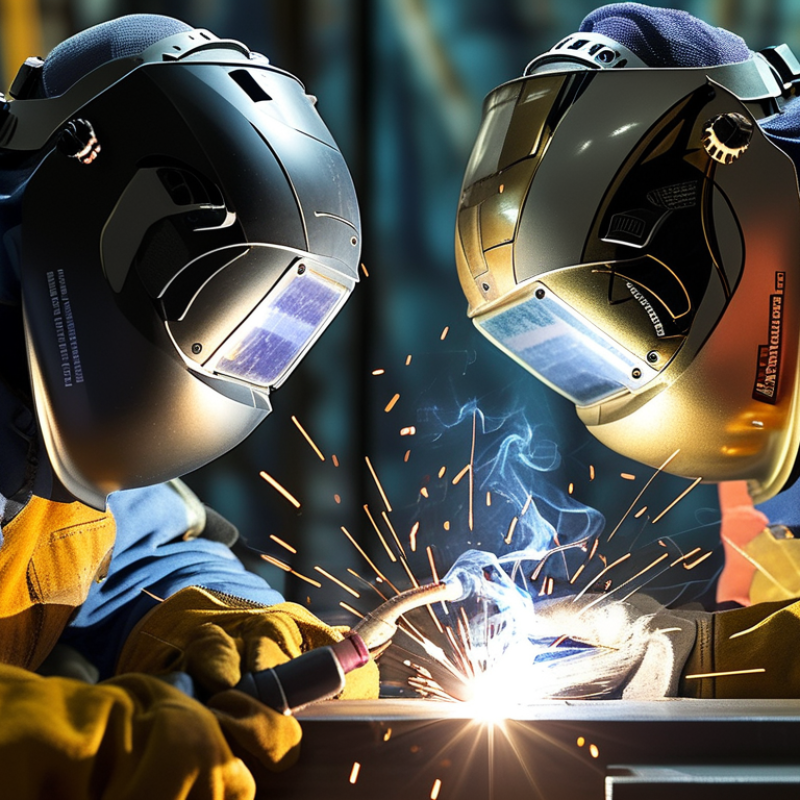
Understanding Titanium Properties and Challenges in Welding
Understanding the properties of titanium is crucial for successful welding. Titanium is known for its strength and lightweight nature. However, it also presents unique challenges due to its high reactivity with oxygen and nitrogen. When welding, it is essential to create a controlled environment to minimize contamination. This often requires a carefully purged chamber or the use of inert gas to shield the weld area.
Welders should pay close attention to temperature control. Overheating can lead to grain growth and compromise the integrity of the joint. Maintaining a consistent and appropriate temperature ensures better results. Use of proper filler materials is also vital, as they must match the titanium grade being welded.
Practice is key to mastering titanium welding. Even experienced welders find titanium's behavior unpredictable at times. It takes time to develop a feel for its unique qualities. A commitment to ongoing learning and reflection on past projects will enhance skills. Seek feedback and be open to trial and error; this is a part of the journey.
Essential Equipment for Efficient Titanium Welding Processes
When diving into titanium welding, having the appropriate equipment is crucial for efficiency. The choice of welding machine greatly influences the quality of the final product. According to industry reports, up to 70% of welding defects arise from poor equipment selection. A high-quality TIG welder is often recommended due to its precision. Moreover, using the right filler material complements the welding process. For titanium, ER Ti-6Al-4V is commonly utilized, ensuring compatibility and structural integrity.
Proper setup is equally important. A clean work environment prevents contamination, which can lead to defects. Studies indicate that over 50% of titanium welding issues stem from surface impurities. Be mindful of the workspace; even small amounts of oil or dirt can affect weld quality. Ensure that your tungsten electrode is sharp and adequately sized. This small detail can significantly enhance arc stability and penetration depth.
Welding helmets with appropriate filtration levels are essential for protecting eyes and skin. Not all helmets provide the same level of protection. Review specifications carefully. Furthermore, familiarizing oneself with the equipment via practice or training can lead to improved welding techniques. Engaging in continuous learning helps keep skills sharp, as welding technology is ever-evolving.
Top Tips for Successful Titanium Welding Techniques
| Technique | Equipment | Tips |
| TIG Welding | TIG Welder, Tungsten Electrode | Use a high-quality filler rod for better fusion. |
| MIG Welding | MIG Welder, Filler Wire | Keep the work area clean to prevent contamination. |
| Plasma Arc Welding | Plasma Welder | Maintain a steady speed for uniform welds. |
| Laser Welding | Laser Welding Machine | Use robotic arms for precision and speed. |
| Electron Beam Welding | Electron Beam Welder | Ensure a vacuum environment for optimal results. |
Pre-Welding Preparations: Cleaning and Joint Design Techniques
Pre-welding preparations are critical for successful titanium welding. Cleaning the base material is essential. Titanium is prone to contamination, which affects weld quality. A clean surface enhances fusion and reduces defects. According to industry reports, surface contamination can lead to 20% more defects in titanium welds. Using solvents and abrasives specifically designed for titanium is advisable. Proper cleaning processes increase the likelihood of achieving defect-free welds.
Joint design is another factor that impacts welding outcomes. Designing the joint to eliminate gaps can significantly improve weld integrity. Research indicates that poorly designed joints can lead to a 30% increase in stress concentrations. The geometry of the joint must also consider thermal expansion. Joint fit-up should be tight to prevent issues during welding. Consult guidelines from recognized welding authorities for best practices in joint design.
Reflections on past projects reveal common pitfalls in the welding process. Welders often overlook the significance of detailed joint preparation. Missing out on proper joint design can complicate subsequent welding steps. Experience shows that revisiting basic principles can often remedy these challenges. Taking the time to refine preparations will lead to more reliable results in the long run.
Welding Techniques: TIG vs. MIG for Titanium Applications
When it comes to welding titanium, choosing the right technique is crucial. TIG (Tungsten Inert Gas) welding is often preferred for its precision and control. It uses a non-consumable tungsten electrode and an inert gas to protect the weld pool. This method allows for fine adjustments, making it ideal for thin titanium sheets. Welders must maintain a steady hand, as even minor fluctuations can lead to defects.
On the other hand, MIG (Metal Inert Gas) welding offers a faster approach. It uses a continuous wire feed and can be easier for those just starting. However, it might not provide the same level of control as TIG. The heat input can be higher with MIG, potentially leading to warping, especially in thinner materials.
Choosing between the two methods depends on the project requirements. Each technique has its strengths and weaknesses. For critical applications, TIG is often the preferred choice. Some welders find themselves struggling to master TIG, reflecting the necessity for practice and proper technique. In contrast, MIG may lead to quicker projects but can sacrifice joint strength. Understanding these nuances helps in making informed decisions in titanium welding.
Post-Welding Treatments and Inspections for Titanium Welds
Post-welding treatments for titanium welds are crucial for ensuring structural integrity and performance. Proper post-weld heat treatment (PWHT) can reduce residual stresses. According to industry reports, titanium alloys like Ti-6AL-4V can benefit from controlled heating to 700°C, followed by slow cooling. This process increases ductility and reduces the risk of brittle fracture.
Inspection is equally important after welding. Ultrasonic testing (UT) is a preferred method for assessing the weld quality. Research shows that UT detects flaws as small as 1 mm, enhancing reliability in critical applications. Visual inspections should be completed first, focusing on surface defects and discoloration. These indicators often reveal underlying issues.
Documentation of inspection results is essential. Many organizations recommend maintaining detailed records of both treatments and inspections. This data helps in future assessments and adherence to industry standards. While these processes are reliable, the challenge remains in addressing variability in welding conditions. Each weld may respond differently to treatment, warranting careful calibration of techniques and inspection methods.
Top Tips for Successful Titanium Welding Techniques
 Skip to content


 English
 Russian
  German
  Spanish
  French
  Portuguese