10 Tips for Choosing the Best Printed Woven Bag for Your Needs?
In today's eco-conscious market, choosing the right Printed Woven Bag is crucial for businesses and consumers alike. The global woven bag market is projected to reach $4 billion by 2025, highlighting its growing importance in sustainable packaging solutions. With environmental concerns on the rise, stakeholders are increasingly seeking bags that blend functionality with eco-friendliness.
Many companies overlook key factors during selection, resulting in subpar choices. A well-chosen Printed Woven Bag can enhance brand visibility and reduce plastic waste. Furthermore, research shows that over 70% of consumers prefer reusable bags over single-use options, making it beneficial for brands to invest wisely.
Understanding materials and printing techniques can be overwhelming. Many options may not meet durability standards or eco-certifications, leading to dissatisfaction. It’s essential to carefully evaluate suppliers and products for quality assurance. Consider what fits your unique needs best, balancing aesthetics and practical usage.
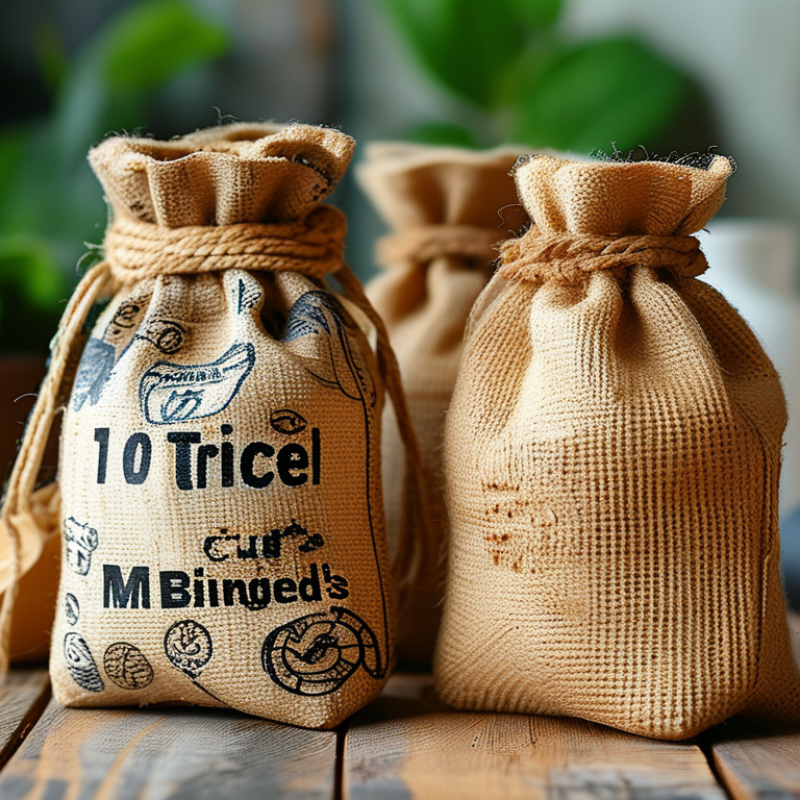
Factors to Consider When Selecting Printed Woven Bags for Your Purpose
Selecting the right printed woven bag requires careful evaluation of specific factors. Consider your intended use. Is it for groceries, promotions, or retail purposes? Identify your primary need to find a suitable design and size. Your choice impacts its functionality and appeal.
Material quality is crucial. Look for durable options that can withstand daily use. Check if the fabric can be easily cleaned. Poor-quality bags wear out quickly, frustrating users. Always assess the stitching and handle strength too. Strong seams contribute to a longer lifespan.
Color and design matter as well. Vibrant prints attract attention, while subdued tones convey professionalism. Consider how your bag reflects your brand or personal style. A mismatch may create an undesirable impression. Think through your options carefully.
Understanding Material Types and Their Impact on Durability and Use
When selecting a printed woven bag, understanding the material is crucial. Different materials offer varied durability and functionality. For example, polypropylene provides excellent resistance to wear and tear, making it suitable for heavy-duty use. Its lightweight nature also contributes to ease of handling. On the other hand, cotton woven bags are biodegradable, appealing to environmentally conscious consumers. However, they may not hold up as well against moisture, which could be a drawback in certain situations.
Another key material is polyester. It combines durability with a soft feel, ideal for everyday tasks. However, this material can sometimes lack breathability, which might impact comfort. Nylon offers a great balance between strength and flexibility, making it suitable for a variety of purposes. Yet, it’s essential to be cautious about how much load it can bear. Knowing these material types helps you align your bag choice with your specific needs, ensuring you invest wisely.
Evaluating Print Quality and Design Options for Effective Branding
When choosing printed woven bags, evaluating print quality and design options is essential for effective branding. Research shows that 79% of consumers can recall a brand and its messaging if it's associated with a quality product. The clarity and vibrancy of the print can make or break this connection. A poorly executed design can dilute brand identity, pushing potential customers away.
Consider how the bag's material influences print quality. Woven fabrics often have unique textures that can affect ink absorption. Some bags may showcase ink differently, making the colors appear less vibrant. A study indicated that 67% of consumers prefer bags that feel good and look great. Brands must balance aesthetics with practicality, ensuring their message is conveyed effectively.
It's also vital to think about color choices and design elements. Bold colors tend to attract attention, but they may not always align with a brand's identity. Subtle tones might convey sophistication but risk being overlooked amidst vibrant competition. A reflective approach to design can lead to a more memorably branded bag. Also, keep in mind that designs must be scalable, ensuring they look great on various bag sizes.
Sizing and Capacity: Choosing the Right Dimensions for Your Needs
When selecting a printed woven bag, sizing and capacity are crucial. A common mistake is underestimating space needs. According to industry data, about 70% of users find themselves needing more capacity than their chosen bag provides. Assessing your typical load is essential. Consider what you will carry—groceries, books, or promotional items. A bag too small forces you to abandon items or makes transport cumbersome.
Dimensions matter as much as the bag's purpose. For example, a standard reusable shopping bag usually measures around 12" x 15" with a capacity of 30 pounds. However, if you plan to use it for heavier products, you might need a larger size. A bag measuring 16" x 20" can better accommodate bulky items. Yet, larger bags may be more challenging to carry, especially when filled to capacity. Finding an effective balance between size and comfort is vital.
Evaluating your needs involves reflection. Consider how often you will use the bag and what items you frequently carry. A smaller bag might make sense for casual use, while frequent heavy-load tasks require something sturdier. Remember, there is no one-size-fits-all solution. Engage with your specific requirements, and don’t hesitate to reassess your choice over time.
Sustainability Considerations: Eco-Friendly Materials and Practices in Bag Production
When selecting a printed woven bag, sustainability should be a priority. Eco-friendly materials play a crucial role in minimizing environmental impact. Look for options made from natural fibers, like organic cotton or jute. These materials are biodegradable and have a smaller carbon footprint compared to conventional plastics. Check if the materials are sourced responsibly. Certification labels can help identify sustainable practices.
Production methods also matter. Seek out manufacturers who use eco-conscious processes. Water-based inks are a good choice for printing. They are less harmful to health and the environment. However, it's important to investigate the entire supply chain. Transparency in sourcing and manufacturing is vital. It can be challenging to find brands that are committed to these practices. Some may claim to be sustainable without authentic proof.
It's essential to reflect on your choices. Opting for a stylish, sustainable bag contributes to a greener future. Yet, consumers should be wary of greenwashing. Not every claim of being eco-friendly holds true. Researching and understanding what truly makes a bag sustainable can guide your purchasing decisions. This awareness not only benefits the environment but also supports responsible businesses.
Eco-Friendly Materials in Printed Woven Bags
 Skip to content

 English
 Russian
  German
  Spanish
  French
  Portuguese