SUNDI TOOLS
- Copyright © Wuxi Sundi Precision Tools Co.,LTD All rights reserved.
- Site Map
 Skip to content
The 2026 market for Interlock Folding Machine equipment is becoming more demanding. Converters, packaging plants, and specialty manufacturers now expect stable output, accurate folding, and dependable after-sales support. A machine may look impressive in a showroom, yet perform differently beside a busy production line.
This guide examines leading Interlock Folding Machine manufacturers through practical and technical criteria. These include folding precision, material compatibility, production speed, changeover time, control systems, safety features, and maintenance access. Real manufacturing experience matters here. Operators notice details that brochures often miss, such as difficult cleaning points, noisy drive systems, or settings that drift during long shifts.
Details matter. A reliable supplier should provide clear specifications, documented quality procedures, installation guidance, operator training, and responsive service. Independent certifications and verifiable customer references can strengthen a manufacturer’s credibility. However, rankings are rarely permanent. A company with strong engineering may still have uneven regional support. Another supplier may offer excellent pricing but limited customization. That difference can affect total ownership costs over several years.
The 2026 selection should therefore focus on measurable performance rather than advertising claims. Buyers should compare sample production results, warranty terms, spare-parts availability, energy use, and software support. Factory visits or supervised trials can reveal practical weaknesses early. This review also considers each manufacturer’s ability to improve designs as customer requirements change. Some conclusions may require further verification, especially where public technical data remains incomplete. A careful buyer should question every assumption before approving a major equipment investment.
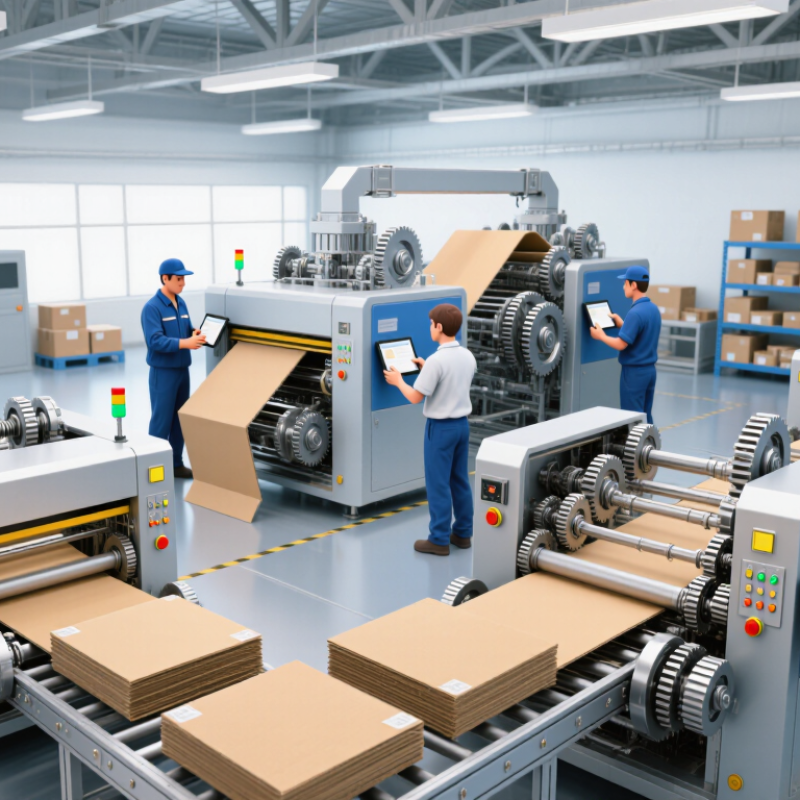
What Is an Interlock Folding Machine and How Does It Work?
An interlock folding machine forms connected edges in sheet metal, creating a tight mechanical seam. It is commonly used for ductwork, enclosures, roofing components, and fabricated panels. The machine does not simply bend one line. Instead, it shapes several folds that fit together like a metal joint.
A typical process starts with a measured sheet placed against the back gauge. The operator checks the material thickness, fold width, and required seam profile. Rollers or folding blades then make progressive bends along the edge. One side forms a pocket, while the matching side creates a hook or flange. When both edges meet, the profiles interlock and resist separation. Small adjustments matter. A fraction of a millimeter can affect seam tightness.
In my experience, consistent results depend on clean tooling and steady material feeding. Scratched rollers may mark galvanized steel, while incorrect pressure can crack painted surfaces. Skilled operators test a short sample before running a full batch. This saves time and exposes setup errors early. The best 2026 manufacturers should provide clear specifications, practical training, and accessible replacement parts. Performance claims need verification through sample trials, cycle testing, and service records. No setup is perfect. Even a reliable machine may need adjustment when humidity, alloy hardness, or sheet width changes.
A practical, manufacturer-neutral comparison for evaluating industrial interlock sewing machines and folding attachments. “Interlock folding machine” is often used to describe an interlock or coverstitch sewing machine fitted with a folder; the folder guides and folds fabric, while the sewing machine forms the stitch.
| Evaluation dimension | Typical configuration or operation | What to check with the manufacturer |
|---|---|---|
| Stitch formation | A two-needle coverstitch commonly forms ISO 4915 stitch type 406; a three-needle version commonly forms type 407. Needle threads create parallel lines on the face, while the looper thread covers the underside. | Confirm stitch type, number of needles, thread path, and whether the sample seam matches the required appearance and stretch. |
| Folding method | A folder attachment turns or guides a fabric edge before it reaches the needle. Common uses include hems, bindings, and folded edges on knit garments. | Ask whether the folder is included, adjustable, and suitable for the required finished fold width, fabric thickness, and fabric stretch. |
| Fabric and application | Coverstitch/interlock-style machines are commonly used for knitwear hems and seams, including T-shirts, sportswear, and underwear. | Test the actual fabric, seam construction, and number of layers. Confirm feeding performance on lightweight, elastic, or layered materials. |
| Bed and workspace | Flatbed designs provide a broad work surface; cylinder-bed designs can help handle tubular garments and hard-to-reach areas. | Choose based on garment shape and operation access. Check whether the selected folder and guide fit the machine bed. |
| Needles and thread | A common two-needle, three-thread setup uses two needle threads and one looper thread; a three-needle setup commonly uses three needle threads and one looper thread. | Verify supported needle system and sizes, thread compatibility, and availability of replacement parts for the intended materials. |
| Operating speed | Maximum sewing speed varies by model and setup; the practical production rate also depends on fabric handling, operator skill, and folder complexity. | Compare the stated maximum speed with a production trial using the intended fabric and attachment; do not treat maximum speed as guaranteed output. |
| Feed and stitch adjustment | Feed settings and thread tensions affect seam feeding, stitch balance, and fabric gathering. Differential feed is useful when handling stretch or lightweight knit fabrics. | Check available adjustments, ease of setup, and whether the supplier can demonstrate balanced stitches on the target fabric. |
| Supplier evaluation | Compare suppliers by application experience, machine configuration, attachment options, training, spare-parts support, and warranty terms. | Request a written specification, sample sewing test, folder details, maintenance guidance, and clearly stated after-sales service coverage. |
Note: Machine specifications and compatible attachments vary by model. Confirm stitch type, speed, needle system, and folder compatibility in the supplier’s current technical documentation and with a sewing trial.


 English
 Russian
  German
  Spanish
  French
  Portuguese