Top 10 Benefits of Using a Switch Panel for Your Projects?
In today's fast-paced world, integrating a Switch Panel into your projects can significantly enhance functionality. A Switch Panel offers a range of applications across various fields, from home automation to complex industrial systems. These panels simplify control by centralizing various switches in one convenient location, reducing clutter and confusion.
Moreover, the user-friendly design of a Switch Panel promotes accessibility. This feature is crucial in emergency situations where quick action is needed. Visually appealing, these panels can match any interior design, adding to their practicality. Their robust construction ensures long-term durability, a significant advantage for any project’s reliability.
However, one must consider the challenges when implementing a Switch Panel. Misplacement or overcrowding of switches can lead to operational errors. Finding the right design for your specific needs requires careful assessment and planning. Balancing aesthetics with functionality is key, and sometimes, simplicity works best. Hence, understanding these benefits and challenges can guide effective decision-making in your projects.
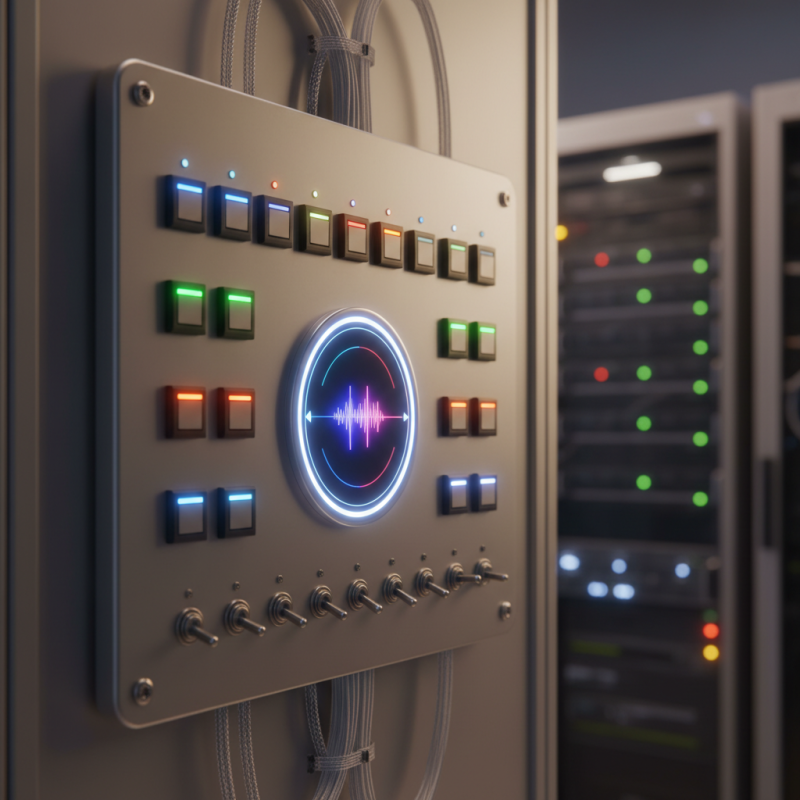
Key Advantages of Implementing a Switch Panel in Your Projects
Implementing a switch panel in your projects can significantly enhance both efficiency and functionality. According to a recent industry report, automation in industrial settings can boost productivity by up to 30%. This highlights how a well-constructed switch panel can streamline operations. For instance, multiple controls can be consolidated into one user-friendly interface, minimizing downtime and improving response times.
Safety is another critical advantage. Research shows that organized switch panels reduce the risk of operator error by up to 40%. By clearly labeling functions, workers can react quickly to emergencies. Furthermore, switch panels allow for easier troubleshooting. If a malfunction occurs, identifying the affected component is straightforward thanks to a clear layout.
However, not all switch panels are created equal. Designers often overlook proper heat dissipation. Overheating can lead to failure in performance, requiring revisions and downtime. Regular evaluations of the design and placement are crucial. In some cases, the initial investment might seem high, but the long-term savings from optimized processes often justify it. It's important to balance cost with functionality to achieve the best results.
Top 10 Benefits of Using a Switch Panel for Your Projects
| Benefit | Description |
| Improved Organization | Switch panels help centralize control, making it easier to manage multiple circuits in one location. |
| Enhanced Safety | Minimizes the risk of accidents by providing a designated area for electrical controls. |
| Ease of Access | Allows for quick access to switches, aiding in prompt operation and adjustments during projects. |
| Space Efficiency | Consolidates multiple switches into one panel, saving valuable space within work environments. |
| Aesthetic Appeal | Creates a cleaner, more professional look compared to scattered individual switches. |
| Increased Operational Efficiency | Streamlines operations by facilitating faster control of equipment and systems. |
| Modularity | Allows for customization and expansion as project requirements evolve over time. |
| Cost-Effectiveness | Reduces wiring and installation costs over using multiple separate switches. |
| Compatibility | Can accommodate various types of switches and controls, providing flexibility in setup. |
Enhanced Control and Customization Capabilities with Switch Panels
Switch panels offer enhanced control and customization capabilities that are invaluable for various projects. Imagine walking into a workshop where each tool is precisely controlled by a single switch panel. The arrangement is neat, reducing clutter and confusion. This design makes it easier to manage multiple devices with a simple flick, allowing for a more efficient workflow.
Customization is another key benefit. Users can set up their switch panels to suit their specific needs. For example, you might create a layout where essential functions are front and center. This personal touch can vastly improve usability. However, not everyone will get this right on the first try. It may take several iterations to find the ideal configuration. Embracing this process can lead to better designs over time.
While switch panels greatly enhance control, not all setups are perfect from the get-go. Sometimes, the initial wiring might become messy or confusing. Reflecting on errors is a vital part of system design. Continuous improvement is necessary. Through trial and error, the most effective arrangement will emerge, showcasing the true potential of switch panels in both personal and professional projects.
Improved Safety Features Offered by Modern Switch Panels
Modern switch panels offer significant improvements in safety features for various projects. They incorporate advanced technology that minimizes risk during operation. For instance, many panels now include overload protection. This feature prevents electrical fires and equipment damage. Users can feel secure knowing that the system actively monitors power loads.
Additionally, many switch panels provide visual indicators. These indicators show when a circuit is in use or if there’s a fault. This transparency helps in quickly diagnosing issues and preventing accidents. In environments with heavy machinery or electrical equipment, this can be crucial. Moreover, some panels come equipped with emergency shut-off switches. Having this option readily available adds another layer of safety.
On the other hand, not all switch panels meet the same standards. Some may lack the necessary certifications. Users must research to ensure their chosen panel is reliable. Regular maintenance is also essential. Neglecting routine checks can lead to unforeseen outages or hazards. Therefore, having a modern switch panel is beneficial, but users must remain vigilant.
Streamlining Electrical Management through Switch Panel Usage
Switch panels play a crucial role in streamlining electrical management. They simplify the control of multiple electrical systems in one centralized location. By consolidating switches into a single panel, users can manage power distribution more effectively. This setup reduces the risk of errors when handling various circuits.
Another significant benefit is improved safety. Properly labeled switch panels minimize confusion, making it easier to identify circuits. This helps prevent accidents during maintenance or repairs. Furthermore, a well-organized panel can save time, as users spend less time searching for the right switch.
Switch panels also enhance the overall aesthetic of a workspace. A tidy setup with clearly marked switches contributes to a professional appearance. However, maintaining this organization takes effort. Users must regularly check the panel to ensure it remains functional and up-to-date. Neglecting this can lead to a chaotic environment, defeating the purpose of streamlined management.
Cost-Effectiveness and Long-Term Benefits of Switch Panel Systems
Switch panels offer significant cost-effectiveness. According to a 2023 report from the National Electrical Contractors Association (NECA), adopting centralized control through switch panels can reduce installation time by up to 30%. This efficiency translates directly to labor cost savings. Efficient designs minimize cable usage, potentially cutting material costs by 10-15%. Projects benefit from streamlined installations, leading to lower overall expenses.
The long-term benefits of switch panel systems are compelling. Research indicates that well-designed panels reduce maintenance needs by 40% over their lifespan. This durability means fewer replacements and repairs, translating to lower lifecycle costs. A study from the Electrical Safety Foundation International (ESFI) states that effective switch panel systems enhance safety protocols, leading to fewer accidents and liabilities. Investing in these systems can prevent costly grievances, providing a safer work environment.
Furthermore, switch panels enhance energy efficiency. They allow better monitoring of energy consumption, which can decrease operational costs by 20-25%. However, not all projects prioritize this aspect. Many teams overlook energy audits during the planning phase. Ignoring this can lead to missed savings opportunities. Understanding both immediate and long-term advantages is vital for project success.
 Skip to content


 English
 Russian
  German
  Spanish
  French
  Portuguese