Top 5 Drainage Pump Solutions for Efficient Water Removal?
Efficient water removal is crucial in both residential and commercial settings. Drainage Pumps play a key role in managing water accumulation, especially during heavy rains or flooding. A reliable drainage pump not only prevents water damage but also preserves property value.
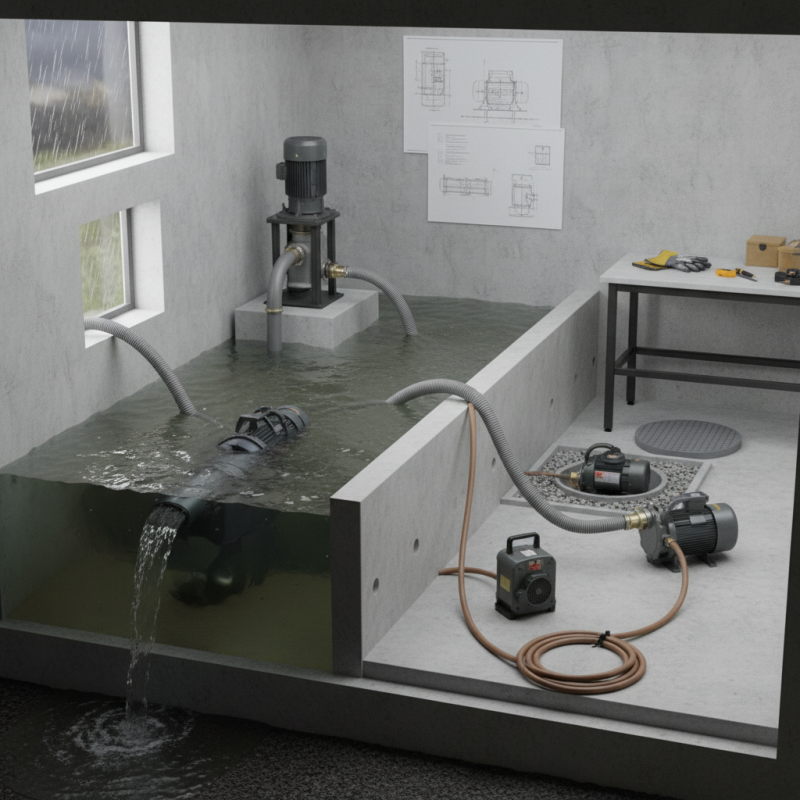
Different types of drainage pumps exist, each with unique features and advantages. For instance, submersible pumps can be placed directly in water, ensuring effective and thorough drainage. On the other hand, pedestal pumps are ideal for shallow basements or crawl spaces. Knowledge about these options empowers homeowners to make informed decisions.
Choosing the right drainage pump can be daunting. Factors such as pump capacity, installation ease, and maintenance should be considered. It is essential to align your choice with specific needs. Overlooking any aspect may lead to problems down the line, making research and expertise invaluable.
Understanding the Importance of Drainage Pumps in Water Management
Drainage pumps play a critical role in efficient water management. They prevent flooding and water damage in residential and commercial areas. When water accumulates, proper drainage is essential. Without effective drainage, basements can flood, and properties can suffer costly damages. Choosing the right pump can make all the difference in managing water.
Understanding how drainage pumps work is important. These pumps remove water from specific areas, directing it away from vulnerable zones. They come in various types, including submersible and pedestal pumps. Each type has its own strengths and weaknesses. Users need to analyze their specific needs carefully. Sometimes, people overlook the maintenance these pumps require. Neglecting regular checks can lead to pump failure when it's needed most.
Water management is not just about having a pump. It involves planning and preparation. Property owners should consider their local environment. Factors like rainfall patterns and soil drainage capabilities are crucial. There’s no one-size-fits-all solution. It requires diligent thought to choose an efficient drainage pump system. This ensures safety and protects investments effectively. Understanding these elements is key in managing water properly.
Factors to Consider When Choosing a Drainage Pump for Your Needs
When selecting a drainage pump, several factors come into play. First, consider the pump’s capacity and flow rate. According to industry data, a pump should be able to move at least 20 gallons of water per minute for residential needs. This ensures quick water removal during heavy rain or flooding. A flow rate that matches your specific requirements will prevent backup and overflow.
Also, look at the pump’s head height, which determines how high water can be moved. For optimal performance, the head height should align with your system's elevation. Many homeowners overlook this detail, leading to insufficient water removal. A suitable head height typically ranges from 10 to 30 feet, depending on the property.
Additionally, power source matters. Electric pumps are common, but battery-operated models can provide backup during power outages. Industry reports suggest that around 25% of flooding events occur during storms that disrupt electricity. Thus, having a reliable backup power option can be crucial.
Understanding the materials used in pump construction also impacts longevity. High-quality materials resist corrosion and wear, enhancing durability. Many users fail to recognize that investing in a well-constructed pump can save them from frequent replacements, ultimately reducing costs over time.
Top 5 Drainage Pump Solutions for Efficient Water Removal
| Pump Type | Flow Rate (GPM) | Max Head (Feet) | Power (HP) | Material | Ideal Uses |
| Submersible Pump | 40 | 25 | 1.5 | Plastic | Basements, Pools |
| Pedestal Pump | 35 | 20 | 0.5 | Cast Iron | Flooding, Water Features |
| Sump Pump | 50 | 15 | 0.75 | Thermoplastic | Household Basements |
| Trash Pump | 60 | 30 | 2.0 | Steel | Construction Sites, Debris |
| Pool Pump | 45 | 10 | 1.0 | Plastic | Swimming Pools, Spas |
Top 5 Highly Rated Drainage Pump Models on the Market Today
When dealing with water removal, the right drainage pump can make a difference. Efficiency is key for various applications, from basements to construction sites. There are standout models that rise above the rest.
One highly rated option features a robust motor, capable of handling heavy water loads. Users appreciate its durability and ease of use. Additionally, some models have a built-in float switch, activating when water reaches a certain level. This automatic function provides peace of mind and promotes efficient operation.
Another model is praised for its portability. Weighing less than some competitors, it can be easily transported to different locations. However, some customers noted occasional issues with suction power in muddy conditions. It’s essential to weigh the pros and cons. Each pump offers unique features. Research and consider your specific needs before making a decision.
Installation and Maintenance Tips for Optimal Drainage Pump Performance
When installing a drainage pump, proper placement is crucial. It should be located in a low section of the area for effective water removal. According to the American Society of Civil Engineers, efficient positioning can improve pump performance by up to 30%. This maximizes water flow and reduces operational costs over time.
Regular maintenance is essential to maintain optimal performance. Clean the pump and check for obstructions every three months. Neglecting these tasks can lead to pump failure, especially during heavy rainfall. A study from the National Weather Service indicates that 25% of pump failures occur due to poor maintenance. Using high-quality seals and fittings can prevent leaks and ensure longevity.
Recognizing the signs of wear and tear early on can save costs. Listen for unusual noises and watch for vibrations during operation. Small issues can escalate quickly, leading to significant system failures. It’s wise to have a professional inspect the system annually, as this expert assessment can reveal potential problems before they become critical.
Comparative Analysis of Electric vs. Gas-Powered Drainage Pumps
When choosing between electric and gas-powered drainage pumps, consider several factors. Electric pumps are quieter and easier to maintain. They generally offer efficiency ratings above 80%, making them suitable for residential use. The Water Quality Association indicates that many homeowners can save on energy costs with an electric model.
Gas-powered pumps, however, provide more power for larger jobs. They can handle tough jobs in remote locations without access to electricity. The American Society of Plumbing Engineers notes that gas pumps often deliver higher flow rates, reaching up to 30 gallons per minute depending on the model. This makes them favorable for construction sites or commercial applications.
Tip: Always assess the specific needs of your project before deciding. Think about the job size and location. If you're working in a confined area, an electric pump might be best. However, if you're dealing with extensive flooding, consider a gas-powered option. Also, remember to check the pump's runtime. A unit that runs longer can save you time and effort. Be mindful of maintenance routines to ensure durability and efficiency.
Top 5 Drainage Pump Solutions for Efficient Water Removal
This chart compares the efficiency ratings of various drainage pump solutions, illustrating how electric and gas-powered options perform against other types. Electric pumps are generally rated higher for efficiency due to their consistent performance and lower operational costs.
 Skip to content


 English
 Russian
  German
  Spanish
  French
  Portuguese