...

10 Best Hex Bolt Nut Manufacturers for Global Buyers

Global demand for reliable fastening systems continues to expand across construction, automotive, energy, machinery, and infrastructure. Fortune Business Insights valued the global fasteners market at approximately USD 94.75 billion in 2023. Its report projects growth to about USD 136.46 billion by 2032. These figures cover broader fastener categories, not only Hex Bolt Nut products. Still, they show the scale of the purchasing environment.

For global buyers, supplier selection involves more than comparing unit prices. Material grades, thread accuracy, surface treatment, heat treatment, inspection records, and export experience can directly affect joint safety. Dr. John H. Bickford, a respected bolted-joint authority, describes a bolt as “a spring.” That simple observation matters. A bolt must maintain suitable preload, even when vibration, temperature, and repeated loading challenge the connection.

This guide reviews 10 Best Hex Bolt Nut Manufacturers for Global Buyers. The evaluation considers production capability, relevant standards, quality documentation, customization, packaging, delivery performance, and customer support. ISO 9001 certification can support confidence, but it does not replace product-level testing. Buyers should still request mill certificates, dimensional reports, coating specifications, and sample approvals.

No ranking is flawless. Manufacturing strengths can vary by factory, batch, and destination market. That caveat deserves attention. A low-cost supplier may become expensive after rejected parts, delayed shipments, or inconsistent plating. Conversely, a smaller manufacturer may provide stronger technical communication and more flexible production. The following overview aims to support practical due diligence, not replace it.
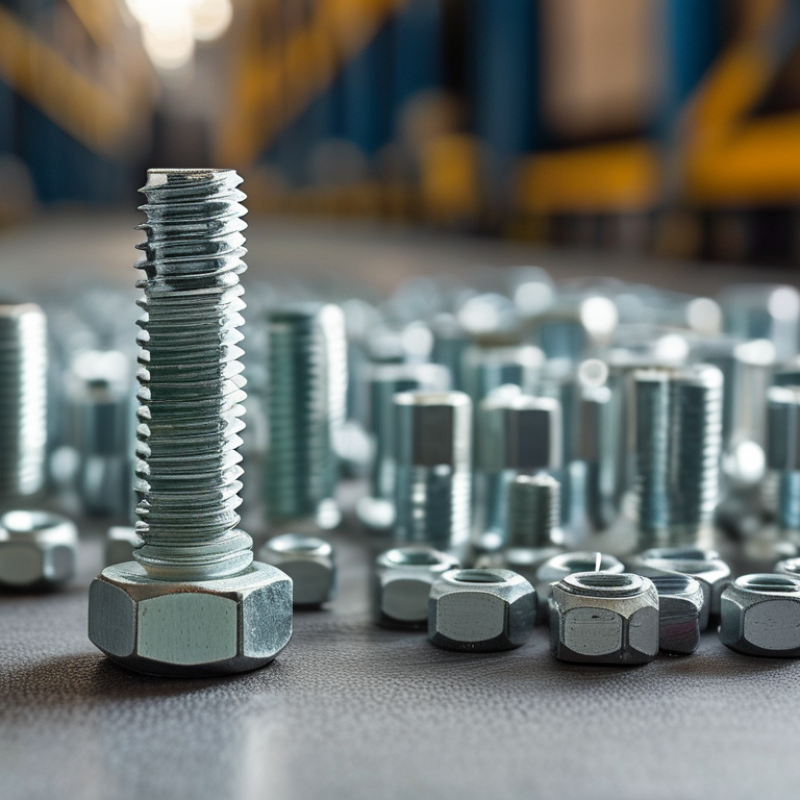
10 Best Hex Bolt Nut Manufacturers for Global Buyers

What Makes a Hex Bolt and Nut Manufacturer Stand Out Globally

A globally competitive hex bolt and nut manufacturer offers more than low pricing. It provides verified strength, stable dimensions, and clear production records. ISO 898-1 defines mechanical requirements for carbon and alloy steel fasteners. Serious manufacturers test tensile strength, proof load, hardness, and thread accuracy against these requirements. They also preserve heat-treatment records for every production lot.

Material control matters because steel remains the foundation of fastener reliability. The World Steel Association reported global crude steel production of about 1.89 billion tonnes in 2023. This scale creates supply opportunities, but also quality variation. Strong manufacturers audit steel mills, inspect incoming wire, and use calibrated gauges during forming. Their laboratories should support traceability, not merely display certificates. Deloitte’s 2024 Global Chief Procurement Officer Survey also highlights supply-chain resilience and visibility as major procurement priorities. That insight applies directly to fasteners.

Tips: Ask for sample inspection reports, coating thickness results, and batch-level certificates. Confirm whether testing follows ISO, ASTM, or equivalent methods. Review packaging details, too; damaged threads often begin with careless handling. No supplier is perfect. A missing document or delayed corrective action deserves attention. Buyers should compare response quality, not only catalog prices. Global service also means practical export packing, predictable lead times, multilingual technical support, and honest communication when production changes. A manufacturer that admits a limitation may be safer than one promising everything.

10 Best Hex Bolt Nut Manufacturers for Global Buyers - What Makes a Hex Bolt and Nut Manufacturer Stand Out Globally
Global Buyer Evaluation Matrix Based on Recognized Standards, Quality Controls, and Export-Readiness
No. Evaluation Dimension Credible Global Benchmark Relevant Standards or References Why It Matters to International Buyers
1 Material and Mechanical Grade Coverage Carbon-steel bolts commonly supplied in property classes 8.8, 10.9, and 12.9; stainless-steel fasteners commonly supplied in A2-70 and A4-80 grades. ISO 898-1 ISO 3506-1 A broad, clearly documented grade range helps buyers match tensile strength, proof load, corrosion resistance, and application requirements.
2 Dimensional and Thread Accuracy Metric hex bolts and nuts should be produced to defined dimensional tolerances, thread tolerances, head dimensions, and across-flats requirements. ISO 4014 ISO 4017 ISO 4032 ISO 965-1 Consistent dimensions support interchangeability, automated assembly, correct tightening, and compatibility with international tooling.
3 Manufacturing Quality Management A documented quality management system certified to ISO 9001, supported by controlled procedures, calibration, corrective actions, and production records. ISO 9001 ISO/IEC 17025 Formal quality controls make production performance more repeatable and provide buyers with a structured basis for supplier qualification.
4 Inspection and Mechanical Testing Typical controls include dimensional inspection, hardness testing, tensile or proof-load testing, coating-thickness checks, and batch-based inspection records. ISO 898-1 ISO 3269 ISO 2859-1 Verified test results reduce the risk of premature failure, incorrect grade supply, and nonconforming lots after delivery.
5 Corrosion-Protection Options Common options include plain steel, zinc electroplating, zinc flake coatings, hot-dip galvanizing, and stainless-steel construction, selected according to service conditions. ISO 4042 ISO 10683 ISO 1461 Correct coating selection influences service life, galvanic compatibility, friction behavior, appearance, and resistance to humidity or salt exposure.
6 Traceability and Documentation Each production lot should be traceable to material certificates, heat or batch numbers, inspection results, quantities, and shipment records. ISO 9001 EN 10204 Complete documentation supports incoming inspection, regulatory audits, warranty investigations, and reliable supply-chain control.
7 International Product Standard Coverage Capability to supply products to widely used metric and inch-based specifications, with drawings and tolerance data confirmed before production. ISO DIN ASTM ASME IFI Multi-standard capability helps global buyers consolidate sourcing and avoids redesign when products must meet regional engineering requirements.
8 Application-Specific Engineering Support Technical support should cover grade selection, thread engagement, tightening considerations, coating compatibility, corrosion environment, and custom drawings. ISO 898-1 ISO 16047 VDI 2230 Engineering assistance helps buyers select a fastening solution that performs reliably rather than simply purchasing by size or price.
9 Export Packaging and Logistics Control Products should be packed by size, grade, and lot, with moisture protection, durable labels, quantity control, and export documents suitable for international transport. ISO 780 ISPM 15 Incoterms 2020 Proper packaging and shipping control reduce mixed lots, corrosion during transit, handling damage, customs delays, and receiving errors.
10 Environmental and Compliance Readiness The supplier should provide material and coating information relevant to applicable market requirements, including restricted-substance declarations and responsible process controls. REACH RoHS ISO 14001 Compliance documentation helps buyers meet customer, industry, and regional requirements while reducing regulatory and reputational risk.
Buyer note: The most reliable global supplier is not necessarily the lowest-cost option. Buyers should compare verified standards, inspection records, coating performance, traceability, technical support, and total landed cost before placing a bulk order.

Key Standards for Evaluating Hex Bolt and Nut Suppliers

Global buyers should evaluate hex bolt and nut suppliers through standards, not polished catalogs. ISO 898-1 defines mechanical requirements for carbon and alloy steel fasteners. ISO 3506 covers corrosion-resistant stainless fasteners. For structural applications, ASTM F3125 provides grades and performance requirements. A serious supplier should state the exact grade, property class, thread tolerance, and applicable test method.

Material traceability is equally important. Request heat numbers, EN 10204 3.1 inspection certificates, tensile results, hardness readings, and batch-level records. World Steel Association reported approximately 1.89 billion tonnes of crude steel production in 2023. That scale makes raw material origin difficult to judge without documented controls. Ask how certificates match incoming coils, production lots, and final cartons. Small details matter.

Coating quality needs practical verification. Look for coating thickness records, salt-spray results, hydrogen-embrittlement controls, and clear warnings about unsuitable environments. Dimensional checks should cover thread gauges, head dimensions, and surface defects. Supplier audits should review calibration records, rejected batches, and corrective actions. ISO’s 2022 Survey recorded more than one million ISO 9001 certificates worldwide, but certification alone proves little about every shipment. I have seen excellent paperwork hide weak sampling. No audit is perfect. Buyers should test independent samples before approving large orders, then repeat testing when materials, tooling, or subcontractors change.

Top 10 Hex Bolt and Nut Manufacturers for International Buyers

Top 10 Hex Bolt and Nut Manufacturers for International Buyers

International buyers need more than a polished catalog when selecting hex bolt and nut manufacturers. Consistent dimensions matter. So do material traceability, coating control, and reliable delivery. A strong manufacturer should provide inspection records, dimensional reports, and current quality certifications. These documents help purchasing teams compare suppliers with less guesswork.

The top ten manufacturers should demonstrate practical experience with carbon steel, stainless steel, and alloy steel fasteners. Their production lines should support common metric and imperial sizes. Thread accuracy deserves close attention, especially for equipment exposed to vibration. Buyers should also review tensile strength, hardness, salt spray performance, and packaging methods. Clear communication about tolerances can prevent expensive installation problems. Ask for samples.

Factory audits reveal details that websites often hide. Check thread gauges, heat-treatment records, laboratory equipment, and warehouse conditions. A dependable supplier explains nonconformity procedures without avoiding difficult questions. Delivery history also matters because a low unit price cannot repair a delayed construction project. However, selecting a perfect manufacturer is unrealistic. Even experienced suppliers may face material shortages or uneven inspection results. I would verify critical batches independently, particularly during the first order. That extra cost may feel unnecessary, but it can expose weak controls early. International buyers should compare technical capability, responsiveness, compliance documents, and after-sales support together. Price alone remains a poor decision tool.

Product Range, Materials, and Customization Options Compared

10 Best Hex Bolt Nut Manufacturers for Global Buyers

Global buyers should compare more than catalog size when reviewing hex bolt nut manufacturers. Product range often reveals production experience and quality control. Strong suppliers usually offer standard hex bolts, flange bolts, lock nuts, and heavy hex nuts. A practical range covers common metric and imperial sizes, from M6 to M24. Ask whether dimensions follow recognized international standards. Thread accuracy matters during installation. Small details matter.

Material selection affects strength, service life, and purchasing risk. Carbon steel suits many indoor and general construction applications. Stainless steel performs better in damp environments and can reduce corrosion concerns. Alloy steel supports higher tensile requirements, especially in demanding machinery. Buyers should request mill certificates, hardness data, and batch traceability. A certificate alone is not proof of consistent performance. Independent inspection can expose gaps between paperwork and delivered goods.

Customization may include thread length, head markings, washer combinations, packaging, plating, and special dimensions. Zinc plating offers economical protection, while hot-dip galvanizing provides a thicker coating for outdoor exposure. Black oxide can improve appearance but may need additional protection. Samples should be tested before large orders. In supplier reviews, polished samples sometimes hide inconsistent threads or mixed materials. That is an uncomfortable lesson. Clear drawings, agreed tolerances, and pre-shipment checks make customization more reliable. Suppliers should also explain minimum order quantities and realistic production timelines.

10 Best Hex Bolt Nut Manufacturers for Global Buyers

Product range, materials, and customization options compared through standardized industry categories

The chart presents representative, non-company-specific sourcing benchmarks. Diameter ranges reflect commonly specified metric sizes, while customization scores summarize practical options such as thread configuration, plating, heat treatment, special dimensions, packaging, and inspection documentation.

Quality Control, Certifications, Pricing, and Global Shipping Factors

Choosing among the 10 best hex bolt nut manufacturers requires more than comparing online prices. Global buyers should inspect quality systems, material control, and production experience. A reliable factory can provide heat-treatment records, dimensional inspection reports, and batch traceability. Certifications such as ISO 9001 support process consistency, while product testing should match applicable mechanical standards. Ask for samples before placing large orders. Small defects become expensive at scale.

Tips: Request recent test reports, not generic certificates. Confirm steel grade, coating thickness, thread accuracy, and packaging details. Compare landed cost, including tooling, inspection, freight, insurance, and import charges. A cheaper quote may conceal weak packaging or longer lead times.

Pricing also depends on order volume, customization, tolerance requirements, and surface treatment. Clear drawings reduce rework. However, even careful specifications can miss practical issues. For example, a coating suitable for dry storage may fail during humid ocean transport. Discuss corrosion protection and pallet strength with the supplier. Shipping terms should define responsibility for documents, loading, damage, and delivery delays. Ask whether the manufacturer works with your destination port and can provide stable production schedules. Certifications increase confidence, but they do not replace independent inspection. A factory may pass audits and still make inconsistent batches. Pre-shipment checks, retained samples, and written corrective-action procedures create stronger protection for international buyers.

en_USEnglish

PCD Inserts

PCBN Inserts

Solid CBN Inserts

PCD Milling Cutter

PCD Drilling Tools

PCD Reamer

Diamond Special Tool

Diamond Dressers