Top Tips for Choosing the Best Flotation Equipment?
Choosing the right Flotation Equipment is crucial for successful mineral processing. According to recent industry reports, proper flotation systems can enhance mineral recovery rates by up to 30%. This improvement significantly impacts the overall efficiency of mining operations. Many companies overlook the technical specifications when selecting equipment, which can lead to suboptimal performance and increased costs.
The market for flotation equipment is projected to grow significantly. Insights from the Global Mining Equipment Report indicate a compound annual growth rate of 5.5% over the next five years. However, businesses often face challenges such as varying ore characteristics and environmental regulations. Addressing these issues requires an understanding of both equipment capabilities and site-specific needs.
Investing in high-quality flotation equipment can yield substantial long-term benefits. Companies must consider factors such as equipment design, material compatibility, and operational efficiency. Rushing the selection process may result in regrettable choices, impacting productivity. Each decision deserves careful consideration, as the right equipment sets the foundation for operational success.
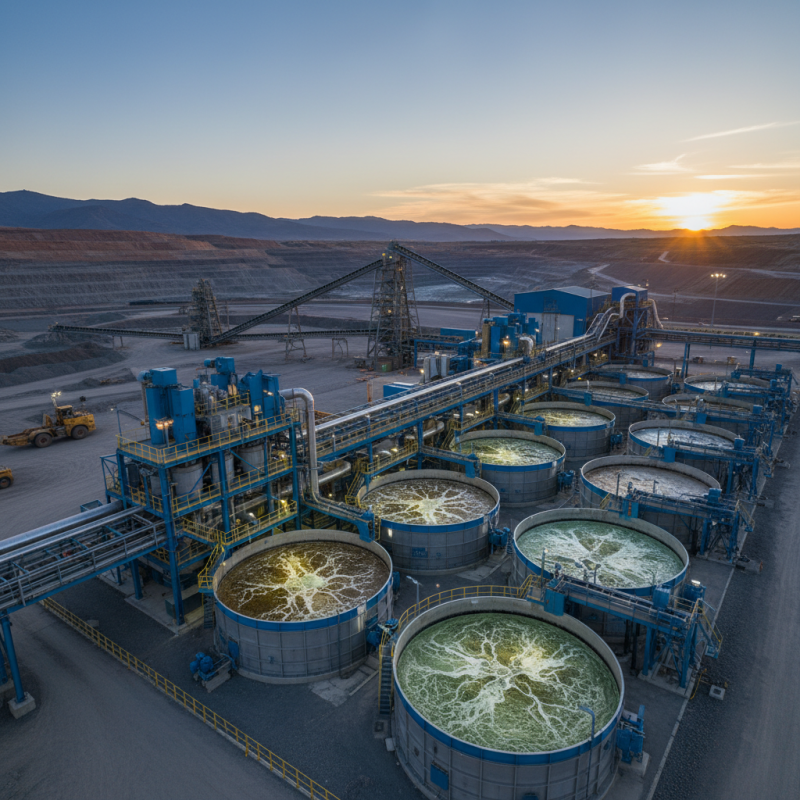
Understanding the Different Types of Flotation Equipment Available
Flotation equipment is essential for mineral processing. Understanding the types available can help make informed choices. There are several categories to consider, each with unique attributes.
Dissolved air flotation (DAF) systems are common in wastewater treatment. They remove suspended solids effectively. Another option is the batch flotation system. It's great for smaller operations needing flexibility. Continuous flotation systems offer efficiency for large-scale mining.
Different setups cater to specific needs. Some might question the reliability of cheaper equipment. However, investing in quality flotation equipment often translates to better performance. Sometimes, operators overlook proper maintenance. Regular checks can prolong the lifespan and improve efficiency.
Key Factors to Consider When Selecting Flotation Equipment
When selecting flotation equipment, it’s crucial to consider several key factors. The type of material to be processed is a primary consideration. Different materials require specific equipment to achieve optimal results. Pay attention to the characteristics of the feed material. For instance, mineral grain size can significantly impact equipment choice.
Another important aspect is the desired level of separation efficiency. Some applications require high purity, while others may prioritize throughput. Clearly defining your goals can help narrow down options. You might also want to think about the operational environment. Equipment must withstand the specific conditions, such as pH levels and temperature.
Maintenance requirements should not be overlooked. Reliable equipment often needs less frequent servicing, reducing downtime. However, some equipment may demand higher maintenance due to wear and tear. Reflect on your team’s expertise too; experience in operating specific types of flotation systems can influence overall performance. Balancing these factors can lead to a better decision, minimizing trial and error in the selection process.
Evaluating the Efficiency and Performance of Flotation Systems
When evaluating the efficiency and performance of flotation systems, several factors come into play. One crucial aspect is the design of the flotation equipment. The configuration can significantly influence the separation process. A well-designed flotation cell should enhance bubble-particle interaction, which is essential for effective separation. Operators often underestimate this point, resulting in suboptimal performance.
Another factor to consider is the conditioning process. Proper conditioning of the pulp can maximize the recovery rates of desired minerals. This step is often overlooked, but it greatly impacts flotation outcomes. Monitoring the reagents is also necessary. Too much or too little can lead to inefficiency. It may require adjustments based on ore characteristics. Frequent testing can help fine-tune this balance.
Performance metrics play a vital role in evaluating flotation systems. Key indicators include recovery percentage and concentrate grade. These metrics can highlight areas for improvement. However, evaluating these numbers alone may lead to misguided conclusions. It's essential to consider operational conditions and maintenance as well. Regular performance reviews and operator training can enhance system efficiency over time.
Assessing the Cost-Effectiveness of Flotation Equipment Options
When assessing the cost-effectiveness of flotation equipment, a few critical factors emerge. The initial purchase price may attract attention, but hidden costs matter too. Installation, maintenance, and operational expenses can significantly impact overall value. It’s vital to evaluate the total cost of ownership rather than just upfront costs.
Consider the efficiency of the flotation equipment. Equipment that operates with higher energy efficiency can lead to reduced operational costs. A well-rounded analysis should include performance metrics. Metrics like recovery rates and processing speeds provide insight into productivity. Additionally, seek expert opinions on durability and reliability. A piece of equipment that frequently requires repairs can drain resources over time.
Keep in mind the importance of scalability. If your operation expands, can the chosen flotation equipment adapt? Sometimes, a cheaper option now might become a cost burden later. Investing in flexible equipment may be wise for long-term success. A balance between affordability and future needs is essential. It's crucial to reflect on these factors to ensure informed decision-making.
Cost-Effectiveness of Flotation Equipment Options
Maintenance and Operational Considerations for Flotation Equipment
When operating flotation equipment, maintenance is crucial for optimal performance. Regular inspections help identify wear and tear before they become significant issues. Pay special attention to components like rotor and stator assemblies. These parts endure the most stress and can impact efficiency if not properly maintained.
Daily operational checks are essential. Ensure that the air supply system is functioning correctly. An inconsistent air flow can affect the flotation process and lead to poor separation. Monitor the pulp level regularly. An incorrect pulp level can minimize contact between particles and bubbles, reducing recovery rates.
Investing in employee training can greatly enhance operational effectiveness. Skilled staff can detect early signs of equipment issues. Their insights can lead to quicker interventions. However, without ongoing training, knowledge may dwindle, leading to preventable problems. Regularly updating training materials is necessary to keep everyone informed on best practices.
 Skip to content

 English
 Russian
  German
  Spanish
  French
  Portuguese