SUNDI TOOLS
- Copyright © Wuxi Sundi Precision Tools Co.,LTD All rights reserved.
- Site Map
Global buyers rarely choose a Groove Cutting Router Bit by appearance alone. A polished package can hide poor carbide, uneven brazing, or excessive runout. The real test appears in the cut: clean walls, consistent depth, controlled heat, and minimal chipping across repeated passes.
Pat Warner, a respected router specialist and author, offered a useful principle: “The router bit is only as good as the setup supporting it.” That observation still matters in modern purchasing. Even a premium bit can fail when the collet is dirty, the feed rate is too aggressive, or the workpiece is not firmly secured. Small details create expensive problems.
This guide examines leading Groove Cutting Router Bit suppliers serving international buyers. It considers carbide quality, shank accuracy, groove dimensions, coating options, production capacity, packaging, and technical support. Supplier credibility also matters. Buyers should request material specifications, inspection records, sample results, and clear warranty terms before placing large orders.
Practical experience deserves attention. A bit that performs well in soft pine may struggle in dense hardwood, plywood, or composite panels. Testing should reflect the buyer’s actual material and machine settings. No ranking is perfect. Supply conditions change, and factory claims require verification. Still, careful comparison can reduce waste, protect operators, and improve production consistency. The best supplier is not always the cheapest. It is the one that delivers repeatable performance, honest communication, and dependable support after shipment.
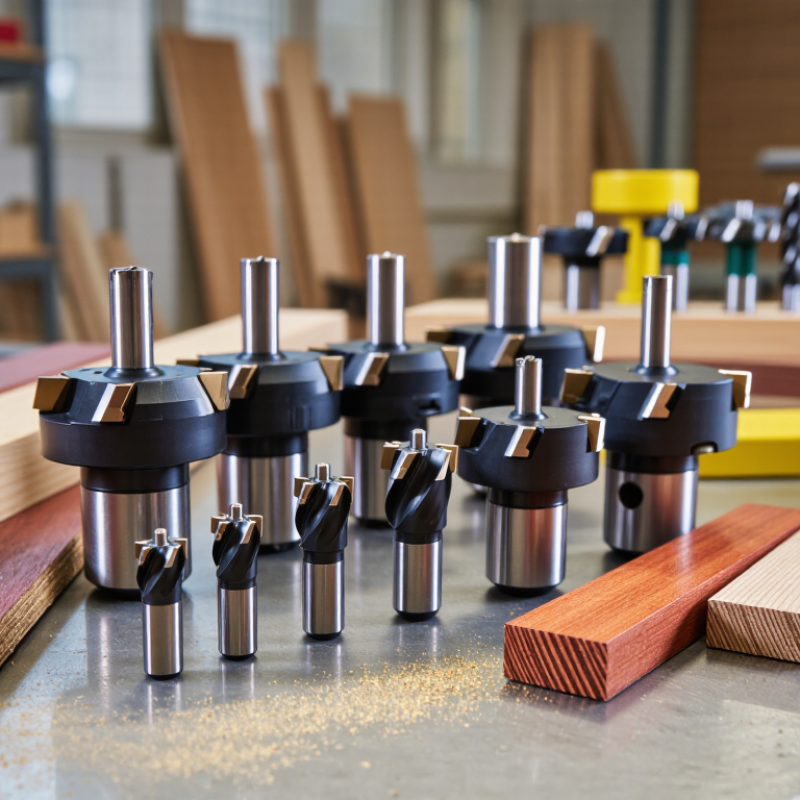
A groove cutting router bit is a rotating cutter that removes a controlled channel from wood, plywood, or composite panels. The groove may hold a shelf, spline, cable, or sliding panel. Straight bits use flat cutting edges. Spiral bits shear the material gradually, often leaving a cleaner wall. Upcut designs lift chips from the cut, while downcut designs press chips downward. That difference affects dust, tear-out, and surface quality.
During a test cut, the bit spins inside a collet while the router controls feed speed and depth. A shallow pass usually produces less heat than one deep plunge. The chip matters. Dark edges, burning smells, or rough walls often indicate excessive friction, a dull edge, or an unsuitable feed rate. Carbide remains common because it resists abrasion in engineered boards. A 2024 Grand View Research assessment valued the global cutting tools market at over USD 22 billion, reflecting continued demand for durable industrial tooling. That figure covers many applications, not router bits alone.
Selection should match the material, groove width, spindle speed, and machine rigidity. The Freedonia Group’s woodworking machinery research identifies engineered wood processing as a major industrial demand area. These panels can dull cutters faster than clean solid timber. Dust extraction also deserves attention. The U.S. Occupational Safety and Health Administration limits respirable wood dust exposure to 5 mg/m³ over an eight-hour period. Local rules may be stricter. In practice, suppliers should provide tested dimensions, carbide grade, runout information, and operating guidance. I would still verify every specification with a sample cut. Catalog data can be incomplete.

A capable groove cutting router bit supplier should show more than a polished catalog. The global power tools market reached about USD 39.6 billion in 2023, according to Grand View Research. That scale increases pressure on suppliers to prove consistency, not just availability. Ask for carbide grade, shank tolerance, cutting diameter tolerance, and recommended spindle speeds. A useful supplier can provide inspection records and sample test results.
Material selection matters. For laminated panels, micro-grain carbide and balanced geometry can reduce chipping. Solid wood may need a different rake angle and flute design. Suppliers should explain these choices clearly. They should also disclose coating type, hardness data, and expected tool life under stated conditions. ISO 9001 certification supports process control, but it cannot replace independent sample testing. That distinction is easy to miss.
Delivery reliability deserves equal attention. The 2024 World Bank Logistics Performance Index shows wide differences in customs efficiency and shipment tracking between trading markets. Request packaging specifications, batch identification, replacement policies, and realistic lead times. Measure ten sample bits before placing a large order. Record runout, edge quality, noise, and heat after a controlled cut. My practical concern is simple: a supplier may meet a drawing once, then drift across batches. Regular incoming inspection remains necessary.
Top Groove Cutting Router Bit Suppliers for Global Buyers
Top Supplier Categories for Global Groove Cutting Bit Buyers
Global buyers usually compare four supplier categories: direct manufacturers, specialist distributors, industrial marketplaces, and custom tooling workshops. Direct manufacturers often provide better control over carbide grade, flute geometry, coating, and quality records. Specialist distributors can offer faster delivery and mixed-size orders. Marketplaces widen supplier access, but product descriptions may lack runout data. Custom workshops suit unusual groove widths or production materials.
Industry reports show why this category deserves careful review. Grand View Research estimated the global power tools market at about USD 45 billion in 2023, with professional applications supporting demand. A 2024 report from MarketsandMarkets also identified automation and precision cutting as major tooling trends. These figures do not measure router bits alone. Still, they indicate stronger expectations for repeatable machining and documented performance.
Experienced buyers should request sample results, shank tolerances, carbide specifications, and inspection records. A practical test uses the intended wood, feed rate, spindle speed, and groove depth. Check the cut edge under bright light. Tear-out matters. So does heat buildup. One sourcing mistake is treating the lowest quote as proof of value. I have seen inexpensive bits create uneven grooves after limited use. Supplier evaluation is rarely perfect; delivery reliability and communication deserve equal attention.
Top Groove Cutting Router Bit Suppliers for Global Buyers
When comparing groove cutting router bit suppliers, inspect the cutting edge before discussing price. A clean carbide edge should show consistent geometry and minimal chipping. Check runout with a dial indicator, especially for narrow grooves. Even slight deviation can create uneven walls and excessive vibration. Ask for material certificates, hardness data, and inspection records. These documents reveal more than polished product photos.
Pricing requires a wider view. A low unit cost may hide short tool life, weak packaging, or expensive replacement shipments. Compare the cost per finished meter, not only the purchase price. Request samples from several suppliers and test them on the same wood, feed rate, and spindle speed. Record edge wear after a fixed production period. I once accepted a cheaper batch that looked acceptable at first. Its coating wore quickly, so the real saving disappeared. That mistake still influences my supplier reviews.
Customization can improve performance when specifications are precise. Discuss diameter, cutting depth, shank size, flute design, coating, and tolerance limits. Provide a technical drawing, not just a photograph. Confirm minimum order quantities, sample charges, tooling fees, and lead times in writing. Reliable suppliers should explain which changes affect strength or balance. They should also provide pre-shipment inspection options and protective packaging for overseas transport. Some buyers focus too heavily on custom shapes. A standard geometry may perform better, cost less, and arrive sooner.
| Supplier Profile | Typical Product Range | Common Cutting Materials | Typical Runout | Indicative Unit Price* | Typical MOQ | Customization Capability | Best Fit for Global Buyers |
|---|---|---|---|---|---|---|---|
| Standard Export Manufacturer | Straight, V-groove, U-groove, and round-nose bits; 6–12 mm shanks | Tungsten carbide; brazed carbide; optional coated carbide | Up to 0.03 mm for standard sizes | US$3–12 per piece | 50–100 pieces | Standard dimensions, shank changes, basic packaging | Routine woodworking and panel-processing orders |
| Precision CNC Tooling Supplier | Profile, compression, spoilboard, and groove-cutting tools for CNC routers | Micrograin carbide; solid carbide; PCD options | Up to 0.015 mm on selected tools | US$10–45 per piece | 10–50 pieces | CAD-based profiles, helix angles, tolerances, and coating selection | High-volume CNC production and tight-tolerance applications |
| Custom-Profile Tool Maker | Special groove geometries, stepped cutters, radius profiles, and matched tool sets | Solid carbide; carbide-tipped steel; PCD for abrasive boards | Typically 0.01–0.03 mm, depending on geometry | US$25–120 per piece | 5–20 pieces | Full profile engineering, drawings, samples, and revision support | OEM projects and application-specific tooling |
| Industrial Coated-Tool Supplier | Groove cutters with wear-resistant coatings for hardwood, MDF, plywood, and composites | Carbide with TiAlN, AlTiN, DLC, or diamond-based coating options | Up to 0.02 mm for qualified standard tools | US$12–60 per piece | 10–50 pieces | Coating type, edge preparation, cutting angle, and substrate selection | Longer tool life and abrasive-material processing |
| Small-Batch Engineering Workshop | Prototype groove cutters, replacement tools, and low-volume special sizes | Solid carbide and brazed carbide | Approximately 0.02–0.05 mm | US$30–150 per piece | 1–10 pieces | High flexibility for drawings, prototypes, and small revisions | Product development and low-volume production |
| Large-Volume Cost Supplier | High-demand standard groove bits for woodworking and general routing | Standard carbide; brazed carbide; limited coating choices | Up to 0.05 mm for common sizes | US$1.50–8 per piece | 100–500 pieces | Size adjustments, private packaging, and batch labeling | Price-sensitive distributors and recurring container orders |
| Premium Application Specialist | Precision groove, joinery, aerospace-composite, and difficult-material cutting tools | Ultrafine carbide; PCD; diamond-coated carbide | Up to 0.01 mm on selected precision tools | US$40–250 per piece | 1–10 pieces | Application testing, tool-life optimization, technical documentation, and sampling | Critical machining, export OEMs, and high-cost materials |
Top Groove Cutting Router Bit Suppliers for Global Buyers
International purchasing demands more than comparing prices. The WTO World Trade Statistical Review 2024 reported a 1.2% decline in global merchandise trade volume during 2023. Freight delays and landed costs therefore deserve early attention. Request the supplier’s legal registration, manufacturing address, country of origin, and export documentation. Confirm the correct customs classification with a qualified broker. Ask for material details, carbide grade, shank tolerance, cutting diameter, coating, and intended wood type. A supplier should provide controlled drawings and inspection records. Vague specifications create expensive disputes.
Compliance checks must match the destination market. Review packaging rules, labeling needs, chemical declarations, and applicable product standards before ordering. The ISO Survey 2022 recorded 1,265,216 ISO 9001 certificates worldwide. Certification can support process confidence, but it cannot replace verification. Check the certificate number through the issuing body. Compare the registered scope with actual tool production. Then order samples. Measure runout with a dial indicator, inspect the cutting edge under magnification, and run a controlled groove test in plywood or MDF. Record noise, tear-out, finish quality, and tool life. One sample is not enough.
Tips: Use a written supplier scorecard. Include quality, compliance, lead time, and response speed. Request batch traceability and pre-shipment photos. Keep test results beside purchase records. No checklist is flawless. Recheck critical details when specifications change.
This checklist-based chart shows the suggested minimum number of evidence items to review before purchasing groove cutting router bits internationally. The evidence categories cover supplier identity, technical conformity, manufacturing capability, trade readiness, regulatory compliance, and transaction controls. Actual requirements may vary by destination market, material, coating, and intended application.